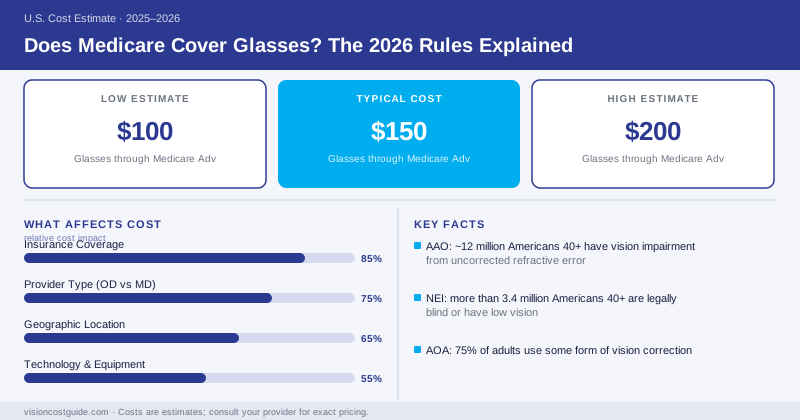
The $300 you just spent on new glasses? If you assumed Medicare would chip in, you’re not alone — and you’re also out of luck. Original Medicare flatly does not cover routine eyeglasses. But there’s one important exception worth thousands of seniors knowing about, plus a few legitimate workarounds. Here’s the full picture for 2026.
The General Rule: No
Original Medicare (Parts A and B) does not pay for routine glasses, contacts, or the eye exams that prescribe them. This is spelled out plainly in Medicare’s own coverage rules and in our broader Medicare vision coverage guide. If you walk into an optical shop, get an exam, and buy frames, you’re paying the full bill yourself.
That hits hard. The Vision Council reported in 2024 that roughly three in four U.S. adults use vision correction, and that share climbs steeply with age — yet the program most seniors rely on simply excludes it.
Why the gap exists comes down to how Medicare was designed in 1965: it was built to cover acute and chronic medical conditions, not routine wellness services like dental, hearing, or vision. Lawmakers have proposed adding routine vision benefits to Original Medicare several times, but as of 2026 none of those expansions have become law. So the rule still stands — if it’s about updating your glasses prescription rather than treating a disease, you’re paying out of pocket.
The One Big Exception: Cataract Surgery
Here’s the part many people miss. After you have cataract surgery that implants an intraocular lens, Medicare Part B covers one pair of standard eyeglasses or one set of contact lenses. This is a rare instance where Medicare does pay toward eyewear.
| Situation | Medicare Pays? | Your Cost |
|---|---|---|
| Routine glasses (no surgery) | No | Full price ($150–$400+) |
| One pair after cataract surgery | Yes — 80% of standard lenses | 20% coinsurance + deductible ($0–$60) |
| Premium frames/lens upgrades after surgery | No (only standard covered) | Upgrade cost out of pocket |
| Glasses through Medicare Advantage | Often yes | Plan allowance ($100–$200) |
Part B covers 80% of the cost of standard frames and lenses after the deductible; you pay the 20% coinsurance. For a basic pair, that often works out to just $0–$60 out of pocket. Choose designer frames or premium lens add-ons, though, and you pay the full difference yourself.
The cataract-surgery glasses benefit only applies to one standard pair, and you must buy from a Medicare-enrolled supplier. If you upgrade to fancy frames or progressive lenses, Medicare only pays toward the standard portion — you cover the rest. Ask the supplier to itemize the standard versus upgrade charges so you know exactly what’s covered before you buy.
The Medicare Advantage Workaround
If you want routine glasses coverage, Medicare Advantage (Part C) is the most common path. Roughly half of all Medicare beneficiaries are now in Advantage plans, and the large majority include a vision benefit — typically a covered annual eye exam plus a $100–$200 eyewear allowance.
That’s not unlimited, but it meaningfully offsets the cost of new glasses. The tradeoff is that Advantage plans come with their own networks and rules, so weigh the whole package, not just the vision perk.
Other Ways to Cover Glasses
- Standalone vision insurance: Plans from VSP, EyeMed, or Humana run $10–$35/month and add a frame allowance and covered exam.
- HSA funds: If you still have a Health Savings Account, glasses and contacts are eligible expenses you can pay for tax-free.
- Financing: For pricey eyewear or surgery, CareCredit spreads the cost over time.
Be careful with mail-order or online “Medicare-approved” glasses pitches after cataract surgery — only certain enrolled suppliers qualify, and scams targeting seniors are common. Confirm the supplier is Medicare-enrolled before handing over your card number. When in doubt, ask your surgeon’s office which suppliers they work with.
Bottom Line
For routine glasses, Original Medicare pays nothing — budget the full $150–$400. The one real exception is a standard pair after cataract surgery, where you may pay as little as $0–$60. If you want ongoing eyewear help, a Medicare Advantage plan with a vision benefit or a standalone vision plan is the way to go. And if you wear contacts instead, the same rules apply — covered only after cataract surgery, otherwise on your own dime.
Frequently Asked Questions
Original Medicare does not cover routine eyeglasses. The only exception is one pair of standard glasses or contacts after cataract surgery with an implanted lens, where Part B covers 80% after the deductible.
Medicare Part B covers 80% of one pair of standard corrective lenses after cataract surgery. You pay the 20% coinsurance plus any deductible — often $0–$60 for basic frames and lenses.
Many Medicare Advantage plans include a vision benefit with a $100–$200 annual eyewear allowance. Coverage varies by plan, so check your Evidence of Coverage.