Blepharoplasty is cosmetic. Ptosis repair is medical. That one distinction can be the difference between a $3,000–$6,000 out-of-pocket bill and a surgery your insurance covers almost entirely — even though both procedures can involve tightening the exact same eyelid muscle.
The confusion is understandable. Both surgeries address droopy, heavy-looking upper eyelids, and in some patients, both problems exist simultaneously — excess skin (addressed by blepharoplasty) and a weakened muscle that lifts the eyelid (addressed by ptosis repair). But insurers, and the surgeons who bill them, draw a hard line between the two based on one specific test: does the drooping actually block your vision?
Cost Comparison
| Procedure | Typical Cost | Insurance Status |
|---|---|---|
| Cosmetic upper blepharoplasty (both eyes) | $3,000–$6,000 | Not covered; purely elective |
| Cosmetic lower blepharoplasty | $3,500–$7,000 | Not covered |
| Functional ptosis repair (documented visual field loss) | $0–$500 out of pocket | Typically covered as medically necessary |
| Combined blepharoplasty + ptosis repair | $2,000–$5,000 | Ptosis portion covered; blepharoplasty portion billed separately |
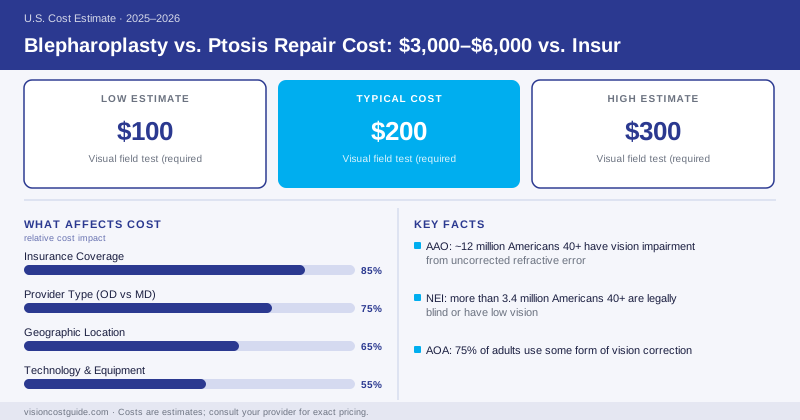
| Visual field test (required for insurance approval) | $100–$300 | Often covered as part of pre-op workup |
The wide gap in the “insurance-covered” scenario reflects patients who have documented visual field obstruction from ptosis — insurance typically covers the surgical fee, facility, and anesthesia in full or with only a standard copay, since it’s treating a functional vision problem rather than an appearance concern.
How Insurers Decide Which Is Which
Before approving ptosis repair as medically necessary, insurers almost always require a formal visual field test showing the eyelid is obstructing a meaningful portion of your upper visual field — typically a specific percentage reduction documented with the eyelid in its natural resting position versus taped up. Photos showing the eyelid margin covering part of the pupil are usually required as well. If your eyelid drooping doesn’t meet that documented threshold, the same surgery gets billed as cosmetic blepharoplasty, full price, out of pocket.
The exact same surgical technique can cost you $4,000+ out of pocket or close to nothing, depending entirely on whether a visual field test documents genuine vision obstruction. If your eyelids feel heavy or your vision seems narrowed at the top, ask your ophthalmologist to run the visual field test before assuming you’re stuck paying the cosmetic price.
When Both Procedures Happen Together
It’s common for a single surgery to correct both problems: the surgeon repairs the ptosis (tightening the levator muscle) for medical reasons while also removing excess skin for cosmetic improvement. In these combined cases, insurance typically covers the portion of the surgeon’s fee attributable to the functional ptosis repair, while you’re billed separately — often $1,500–$3,000 — for the cosmetic skin removal portion. Ask your surgeon’s billing office for an itemized breakdown before surgery so there are no surprises afterward.
What Causes Each Condition
Ptosis develops from age-related stretching or separation of the levator muscle tendon, prior eye surgery, nerve or muscle disorders, or congenital weakness present from birth. Excess eyelid skin (the blepharoplasty problem) is largely a function of age-related skin laxity and sun exposure, and doesn’t necessarily involve any muscle weakness at all — which is why some patients need only one procedure, not both.
Recovery Is Nearly Identical
Regardless of which category your surgery falls into, recovery timelines are similar: swelling and bruising for 1–2 weeks, with final results visible around 4–6 weeks. Both procedures carry similar (low) complication rates in experienced surgical hands.
Don’t assume drooping eyelids are purely cosmetic just because you’ve been quoted a full cash price. If your peripheral or upper vision genuinely feels restricted, insist on a formal visual field test — insurers require objective documentation, not just a patient’s description, before approving coverage.
Bottom Line
The difference between paying $3,000–$6,000 out of pocket and paying close to nothing for the same eyelid surgery often comes down to a single test. If your eyelids are affecting your actual vision, get the visual field documented before assuming you have to pay cosmetic-surgery prices.