Sarah, 68, budgeted carefully for her cataract surgery copay — then got blindsided by a $240 pharmacy bill for eye drops the week after. The surgery is the headline cost, but recovery has its own price tag: typically $50–$400 per eye for drops, follow-ups, and supplies that nobody mentions until you’re at the checkout counter.
Here’s the full picture so nothing catches you off guard.
Cataract Recovery Cost Breakdown
| Recovery Item | Typical Out-of-Pocket Cost |
|---|---|
| Prescription eye drops (branded regimen) | $100–$300 per eye |
| Generic drop alternative | $20–$80 per eye |
| Follow-up visits (within 90-day global period) | $0 (Medicare-bundled) |
| Protective eye shield / sunglasses | $5–$30 |
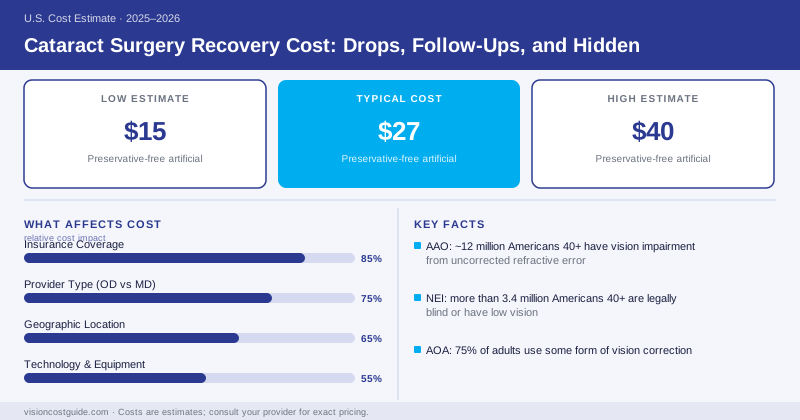
| Preservative-free artificial tears (weeks of use) | $15–$40 |
| Lost wages / time off (varies widely) | Varies |
These costs sit on top of your cataract surgery copay or coinsurance. The drops are the biggest variable — and the one most under your control.
The Eye-Drop Question
After surgery you’ll use three types of drops — an antibiotic, a steroid, and an anti-inflammatory — typically for three to four weeks. Branded versions can total $100–$300 per eye. That’s the sticker shock Sarah hit.
You have options. Ask your surgeon about:
- Generic equivalents, which cut drop costs by 60–80%
- A “dropless” or compounded approach, where the surgeon injects medication during surgery so you need fewer or no post-op drops
- GoodRx or pharmacy discount cards, which can slash the cash price dramatically
Ask about drop options before surgery, not after. The American Academy of Ophthalmology notes that cataract surgery is one of the most common procedures in the U.S., with roughly 4 million performed each year — and drop costs vary enormously between practices and pharmacies for the exact same regimen. A five-minute conversation with your surgeon about generics or dropless options can save you $200 or more per eye.
Follow-Up Visits: Usually Already Paid For
Good news here. Medicare and most insurers fold standard post-op visits into the surgery’s “global period” — typically 90 days. Your day-after check, your one-week visit, and your one-month visit usually cost you nothing extra. You’ll only pay separately if a complication requires care beyond routine follow-up.
Recovery Timeline and What It Affects
Most people see noticeably better within 24 to 48 hours and resume normal activities within a week. Full healing takes about a month. During that window you’ll avoid heavy lifting, swimming, and rubbing the eye, and you’ll wear a shield while sleeping.
The hidden cost here is time. If your job requires driving or screen work, you may need a few days off. Plan for someone to drive you home on surgery day — that’s non-negotiable.
Don’t skip drops to save money or because your eye feels fine. Stopping steroid or anti-inflammatory drops early is a leading cause of post-cataract inflammation and cystoid macular edema, which can require additional treatment costing far more than the drops you skipped. If cost is the barrier, ask for generics or a discount card — don’t just stop.
Second-Eye Recovery
If you’re having both eyes done, recovery costs repeat — another round of drops, another set of follow-ups (though often within the same global period). Many surgeons stagger the eyes one to four weeks apart. Our guide to second-eye cataract pricing covers how the costs stack.
If You Chose a Premium Lens
Recovery is the same regardless of lens, but if you upgraded to a premium IOL or multifocal lens, expect a longer neuroadaptation period — weeks to months of your brain adjusting to the new optics. That’s not an added cost, but it’s a real part of the recovery experience to plan for.
Bottom Line
Budget $50–$400 per eye for recovery beyond your surgery copay, driven mostly by eye drops. Follow-ups are typically covered. The single best money-saver is asking about generic or dropless drop options before your surgery date — it’s the difference between a $40 recovery and a $300 one.
Frequently Asked Questions
Recovery typically adds $50–$400 per eye out of pocket, covering prescription eye drops, follow-up visits, and protective shields beyond the surgery itself.
Yes. Medicare bundles standard post-op visits into the surgical global period for 90 days, so routine follow-ups usually carry little to no extra cost.
They can be. Branded drop regimens run $100–$300 per eye, though generics or a 'dropless' technique your surgeon administers during surgery can cut that sharply.