Your six-year-old just snapped their new frames in half during recess, three weeks after you bought them. Sound familiar? That exact scenario is why children’s glasses warranties exist, and at $20 to $60 a pair, they can be the smartest small purchase you make at the optical counter.
Kids are tough on glasses. They sit on them, drop them, leave them on playgrounds, and bend the temples beyond recognition. A warranty turns an expensive surprise into a quick, often free, replacement.
What a Warranty Actually Covers
Coverage varies by retailer, but most kids’ warranty plans handle the disasters insurance won’t touch.
- One or two full replacements within 12 months
- Accidental breakage of frames and lenses
- Sometimes scratched-lens replacement
- Occasionally lost-glasses coverage (less common)
What they typically don’t cover: deliberate damage, loss without a police report, or a second break after both replacements are used. Read the fine print, because “unlimited” plans are rare and “one replacement” is the norm.
The Cost Math
| Scenario | Cost Without Warranty | Cost With Warranty |
|---|---|---|
| Warranty fee (1 year) | $0 | $20–$60 |
| Replace broken frames + lenses | $80–$200 | $0–$25 copay |
| Replace lost glasses | $80–$200 | Often not covered |
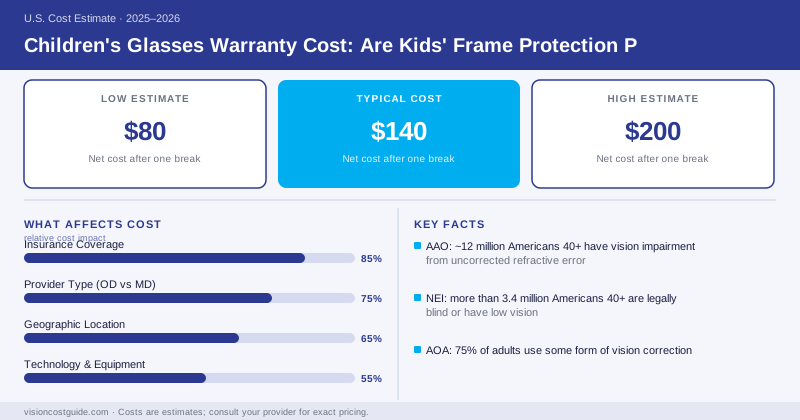
| Net cost after one break | $80–$200 | $20–$85 |
The math is simple. If your child breaks one pair during the year, a $30 warranty saves you $50 to $170. Replacement kids’ glasses run $80 to $200 depending on lens type, so a single claim usually pays for the plan several times over.
A children’s glasses warranty costs $20–$60 and typically covers one to two replacements. Since a single replacement pair runs $80–$200, the plan pays for itself with one break, a near-certainty for kids under 10.
Why Insurance Doesn’t Fill This Gap
Vision insurance is built around scheduled benefits: a new pair every 12 or 24 months. Break your glasses a month after using your benefit, and the plan won’t help until the next cycle. Our vision insurance cost guide explains those renewal schedules in detail.
That’s the gap a warranty fills. It covers the messy middle, the accidental breaks between insurance cycles, which is exactly when kids tend to destroy their frames.
When to Skip the Warranty
Warranties aren’t always worth it. Skip or reconsider when:
- Your child is older, careful, and has never broken a pair
- The glasses are inexpensive ($40 or less) and easy to replace cheaply
- The warranty costs more than half the price of a full replacement
- The plan only covers defects, not accidental damage (that’s a manufacturer warranty, not protection)
A teen who treats their glasses well is a different risk than a kindergartner. Match the coverage to the kid.
Watch for warranties that only cover “manufacturer defects.” Those are nearly worthless for kids, because defects are rare and accidents are the real threat. You want an accidental-damage protection plan, not a defect warranty. Ask the optician to spell out which one you’re buying.
Smart Ways to Save
Beyond the warranty, a few habits cut your replacement spending:
- Buy a flexible, bendable frame designed for kids; many flex instead of snapping
- Keep the receipt and warranty card together so claims go fast
- Add a strap or sports band for active kids to cut loss and breakage
- Consider polycarbonate lenses, which resist shattering and are standard for children anyway
Combining a durable frame with a warranty is the belt-and-suspenders approach. The frame prevents most breaks; the warranty covers the rest.
Bottom Line
For most children under 10, a glasses warranty is a quiet win. You’re paying $20 to $60 to neutralize an $80-to-$200 risk that, frankly, is more likely than not over a year of recess, sports, and backpacks. The plan removes the sting and the budgeting headache when the inevitable break happens.
Before you buy, start with an accurate prescription from a pediatric eye exam so the glasses fit right and last longer. Then ask the optician three questions: does it cover accidents, how many replacements are included, and is there a copay per claim. Those answers tell you whether this particular warranty is the bargain it usually is.
Frequently Asked Questions
Most kids' glasses warranties cost $20 to $60 per pair for a one-year plan, often covering one or two replacements. Some retailers bundle a basic warranty free and charge extra for premium coverage.
For active young children who break or lose glasses often, yes. A single replacement pair of lenses and frames can cost $80 to $200, so a $30 warranty pays for itself with one claim.
Vision insurance usually replaces glasses only on its normal renewal schedule, not for accidental breakage. That's why a separate warranty exists, to cover the in-between mishaps insurance won't.