In the 1990s, a color vision deficiency diagnosis meant a note in your file and not much else — no consumer products claimed to change how you perceived color. Today, there’s an entire market of glasses, contacts, and apps promising to help, ranging from free to several hundred dollars. What’s changed is the marketing, not really the underlying biology.
Color vision deficiency — commonly called color blindness, though true total color blindness is extremely rare — affects an estimated 1 in 12 men (about 8%) and 1 in 200 women, according to figures widely cited by the National Eye Institute, making red-green deficiency the most common inherited form by far.
Cost by Product Category
| Option | What It Does | Typical Cost |
|---|---|---|
| Ishihara plate test (diagnosis) | Confirms and characterizes deficiency type | $0-$50, often included in routine exam |
| Free smartphone color-correction apps | Software color filtering for phone/screen use only | $0-$5 |
| Enhancement glasses (EnChroma and similar) | Filter certain wavelengths to increase color contrast | $70-$450 |
| Enhancement contact lenses | Similar filtering effect, worn on eye | $70-$150/pair |
| Prescription lenses combined with enhancement tint | Corrective + color-enhancement combined | $200-$600 |
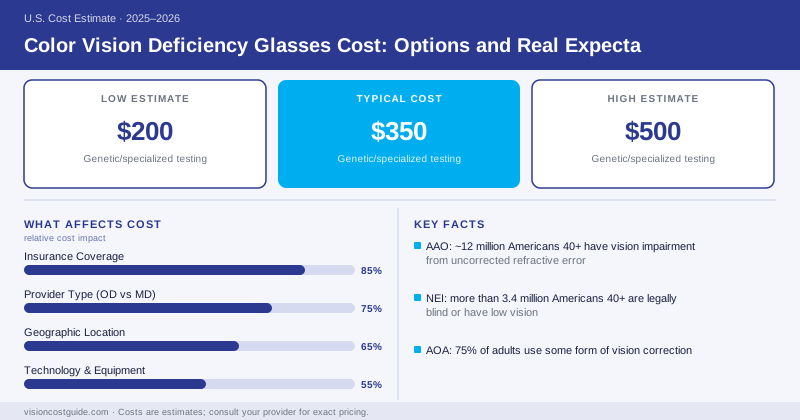
| Genetic/specialized testing (rare, research settings) | Confirms specific gene mutation | $200-$500, uncommon in routine care |
The Important Caveat: Nothing Here Is a Cure
Color vision deficiency is a genetic condition affecting the cone cells in the retina, present from birth (in the inherited forms) and permanent. No glasses, contacts, surgery, or app changes the underlying biology or restores normal trichromatic color vision. What color-enhancement products like EnChroma actually do is filter out specific, narrow wavelength bands of light to increase the perceived contrast between colors that would otherwise look similar — helping many wearers distinguish certain colors more easily, but not giving them “normal” color vision. Some users report a meaningful subjective improvement; others report little to no benefit, and response varies considerably by the specific type and severity of deficiency.
These products are not evaluated or cleared by the FDA as medical devices, since they don’t treat a disease in the medical sense — they’re sold as consumer optical filters, similar to how sunglasses are regulated.
Testing First: What Diagnosis Actually Costs
Before spending money on enhancement products, get properly tested. A standard Ishihara plate test (identifying numbers hidden in colored dot patterns) is quick, inexpensive, and often included free as part of a routine comprehensive eye exam. More detailed testing (like the Farnsworth D-15 test) characterizes severity and specific type — protan, deutan, or the rarer tritan deficiency — which matters because enhancement products are generally more effective for certain types than others.
Because response to color-enhancement glasses varies significantly by individual and deficiency type, look for a retailer or optometry practice offering an in-person trial or a solid return policy before committing $200-$450 to a pair. Some EnChroma retail partners and select optometry offices offer demo units. Given the variability in user response documented in independent research on these products, a trial run is a genuinely useful way to avoid an expensive disappointment.
Contact Lenses: A Lower-Cost Alternative Worth Knowing About
Color-enhancement soft contact lenses, using similar wavelength-filtering technology to enhancement glasses, are available at a lower price point ($70-$150/pair) and work well for people who already wear contacts or prefer not to add a second pair of glasses over an existing prescription. They carry the same caveat as enhancement glasses: they help some wearers more than others, and aren’t a corrective solution in the traditional refractive sense.
Insurance Coverage
Color vision deficiency diagnostic testing is typically covered as part of a routine comprehensive eye exam under vision insurance. Enhancement glasses, contacts, and similar products are considered elective consumer items, not medically necessary corrective devices, and are not covered by vision or medical insurance — though FSA/HSA eligibility varies and is worth checking with your plan administrator, since some plans do allow these as vision-related expenses.
Be skeptical of marketing claims suggesting any product “cures” or “fixes” color blindness. Reputable manufacturers describe their products as contrast-enhancement tools with variable individual results, not cures — and that distinction matters both for your expectations and your wallet.
Bottom Line
Get properly tested first — it’s often free. If you decide to try enhancement glasses or contacts, look for a trial option or strong return policy given how much individual response varies, and go in with realistic expectations about what these products can and can’t do.