In 2010, “computer glasses” were a niche item mostly worn by graphic designers and programmers who’d read about them in tech forums. Today, an entire retail category exists — from $20 blue-light-blocking clip-ons to $400 custom occupational progressive lenses — built around a symptom that the American Optometric Association estimates affects between 50% and 90% of people who work at a computer regularly.
Cost by Product Type
| Product | What It Addresses | Typical Cost |
|---|---|---|
| OTC blue-light-blocking glasses (non-prescription) | Filters blue light wavelengths only | $15-$60 |
| Blue-light filter add-on to existing Rx glasses | Coating added to your regular prescription | $30-$80 add-on |
| Computer-specific single-vision Rx lenses | Corrects focus specifically for screen distance | $150-$350 |
| Occupational progressive lenses (computer/intermediate focus) | Wide intermediate zone for multi-distance desk work | $250-$500 |
| Anti-fatigue lenses (mild power boost) | Reduces accommodative strain for pre-presbyopic adults | $200-$400 |
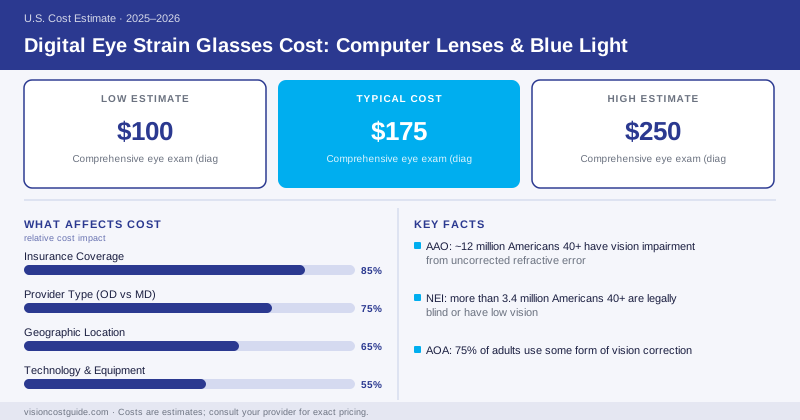
| Comprehensive eye exam (diagnose underlying cause) | Rules out uncorrected refractive error or dry eye | $100-$250 |
In 2015, Blue Light Was the Whole Conversation. Now It’s Only Part of It
For years, marketing for computer eyewear centered almost entirely on blue light filtering, based on early concerns that blue light from screens contributes to eye strain and disrupted sleep. The evidence for blue-light-blocking glasses specifically reducing digital eye strain symptoms has weakened considerably in more recent clinical research, and the American Academy of Ophthalmology has stated there’s no strong evidence blue light from screens causes eye damage or that blocking it meaningfully reduces strain for most people. That’s shifted where the genuinely useful money in this category goes: toward lens designs that address the actual optical demands of screen work, not just light filtering.
What Actually Causes Digital Eye Strain
Digital eye strain (also called computer vision syndrome) results from a combination of factors that have little to do with blue light specifically: reduced blink rate during screen focus (leading to dry eyes), sustained near-focus effort at an intermediate distance that doesn’t match many people’s everyday glasses prescription, poor screen positioning, and glare. This is why an eye exam to identify uncorrected refractive error or dry eye ($100-$250) is often a more valuable first expense than jumping straight to specialty glasses.
Standard prescription glasses are typically optimized for either distance vision or reading distance (roughly 14-16 inches) — but a computer screen usually sits at an intermediate distance of about 20-26 inches, which doesn’t match either standard prescription well for many wearers, especially those over 40 with emerging presbyopia. Computer-specific lenses adjust the prescription power specifically for this intermediate distance, which can meaningfully reduce strain for people whose current glasses force them to lean in or tilt their head to find a clear focus point on screen. This is arguably the single most underrated fix in the entire digital eye strain category, and it costs about the same as a standard pair of prescription glasses.
Anti-Fatigue Lenses: A Middle-Ground Option
For younger adults not yet presbyopic but experiencing accommodative fatigue from sustained near work, anti-fatigue lenses add a very slight power boost in the lower portion of the lens to reduce the eye’s focusing effort during near tasks, without a full bifocal or progressive design. These cost $200-$400 and are a reasonable middle option between basic single-vision lenses and full occupational progressives.
The Cheap Option That Sometimes Works Just as Well
For people whose symptoms are mild and mostly related to dry eyes rather than optical demand, simply following the 20-20-20 rule (every 20 minutes, look at something 20 feet away for 20 seconds) combined with $10-$20 in artificial tears and adjusting screen brightness and position addresses a meaningful portion of digital eye strain complaints without any new glasses purchase at all. It’s worth trying before spending $200-$500 on specialty lenses.
Insurance Coverage
Prescription computer lenses and occupational progressives are typically covered under standard vision insurance vision benefits similarly to any other prescription eyewear, since they’re built on an actual eye exam and prescription. Non-prescription OTC blue-light glasses are considered elective consumer items and are not covered by vision insurance, though FSA/HSA eligibility varies by plan.
Don’t assume OTC blue-light glasses will resolve significant eye strain without first getting an eye exam. Uncorrected or under-corrected refractive error and untreated dry eye are far more common causes of digital eye strain than blue light exposure, and neither is fixed by a blue-light filter alone.
Bottom Line
Get your eyes examined before buying specialty computer glasses — the underlying cause is often correctable with the right prescription or dry eye treatment, both of which do more for digital eye strain than a blue-light filter alone.