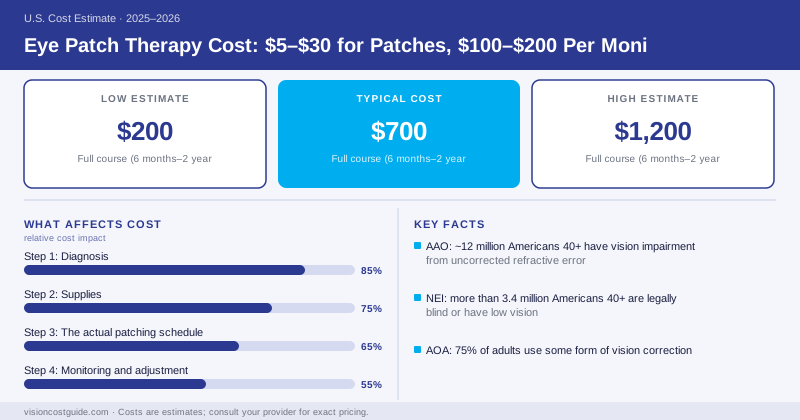
Here’s the actual protocol behind eye patch therapy, cost by step, because the sticker price of a box of patches tells you almost nothing about what this treatment really costs a family over the course of a year.
Step 1: Diagnosis. Amblyopia — commonly called “lazy eye” — is diagnosed during a comprehensive pediatric eye exam, typically identified through a difference in visual acuity between the two eyes that can’t be fully corrected by glasses alone. The American Academy of Ophthalmology notes amblyopia affects roughly 2–3% of children, making it one of the most common causes of preventable vision loss in kids.
Step 2: Supplies.
| Item | Cost | Notes |
|---|---|---|
| Adhesive eye patches (box of 20–50) | $10–$25 | Direct-adhesive, worn over the stronger eye |
| Cloth/reusable patches | $5–$15 each | Worn over glasses lens instead of skin |
| Atropine eye drops (alternative to patching) | $30–$80/month | Blurs the stronger eye instead of covering it |
| Monitoring visit (every 4–12 weeks) | $100–$200 | Confirms improvement, adjusts patching hours |
| Full course (6 months–2 years) | $200–$1,200 total | Combines supplies + monitoring visits |
Step 3: The actual patching schedule. A landmark NEI-funded study by the Pediatric Eye Disease Investigator Group (PEDIG), published in 2003, found that patching the stronger eye just 2 hours a day was equally effective as 6 hours a day for moderate amblyopia — a finding that meaningfully reduced the daily burden on families without sacrificing treatment effectiveness. Your ophthalmologist will set a specific daily patching duration based on amblyopia severity, not a one-size-fits-all schedule.
Eye patch supplies themselves cost very little — $5–$30 for weeks or months of use — but the real cost of amblyopia treatment is the recurring monitoring visits, typically $100–$200 every 4–12 weeks over a 6-month to 2-year treatment course. A landmark NEI-funded study found 2 hours of daily patching works as well as 6 hours for moderate cases, reducing the burden without reducing effectiveness.
Step 4: Monitoring and adjustment. Amblyopia treatment isn’t a set-it-and-forget-it process. Your ophthalmologist will schedule follow-up visits every few weeks to months to measure whether visual acuity in the weaker eye is actually improving, and adjust patching hours up or down based on the response. Skipping these visits risks either continuing an ineffective schedule too long or, in rare cases, causing reverse amblyopia in the stronger eye from overly aggressive patching.
Step 5: Considering atropine drops as an alternative. For some children, particularly those who resist wearing a patch, atropine eye drops in the stronger eye achieve a similar effect by blurring near vision in that eye, forcing the brain to rely on the weaker one. Drops cost more monthly than patches but eliminate compliance battles around wearing a visible patch, which matters for some families more than the price difference.
Step 6: Understanding the treatment window. Amblyopia treatment is meaningfully more effective the younger a child starts, with the visual system’s plasticity narrowing considerably after early childhood. Treatment beginning before school age generally shows better outcomes than treatment started later, which is exactly why comprehensive eye exams at 6 months and 3 years old matter — catching amblyopia early keeps both the treatment duration and total cost lower.
Step 7: Insurance coverage. Amblyopia treatment, including patches, drops, and monitoring visits, is classified as medically necessary and covered by nearly all health insurance plans and Medicaid. Patches themselves are inexpensive enough that most families pay for them directly regardless of coverage, but the recurring monitoring visits are where insurance coverage matters most for total cost.
Never stop patching therapy early just because a child’s eye “looks straighter” or vision seems improved — visual acuity gains from amblyopia treatment can regress if treatment is discontinued before your ophthalmologist confirms the improvement is stable. Always follow the specific tapering schedule your doctor provides rather than stopping abruptly.
Bottom Line
Eye patch supplies cost next to nothing — a few dollars to $30 for a supply that lasts weeks — but the real financial commitment in amblyopia treatment is the recurring monitoring visits over a 6-month to 2-year course. Start early, follow the specific schedule your ophthalmologist sets, and don’t skip the follow-up visits that confirm it’s actually working.