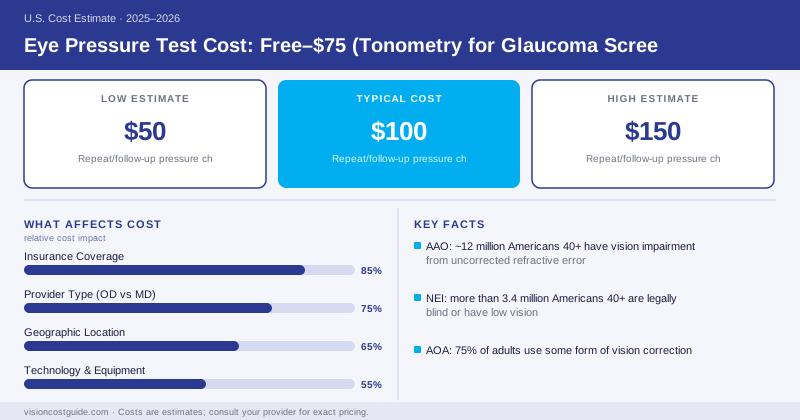
The puff of air that made you flinch during your last eye exam was actually a $0 line item, quietly bundled into your comprehensive visit. Standalone, that same measurement is a different story.
Eye pressure testing — tonometry — measures the intraocular pressure inside your eye, the single most important screenable risk factor for glaucoma, a disease that damages the optic nerve gradually and, in most cases, without any symptoms until significant vision loss has already occurred.
What You’ll Pay, By Scenario
| Scenario | Cost | Notes |
|---|---|---|
| Bundled into comprehensive eye exam | Free | Standard part of a routine exam |
| Standalone tonometry (no full exam) | $25–$75 | Some offices offer quick pressure checks |
| Goldmann applanation tonometry (gold standard) | $30–$75 | More precise; requires numbing drops |
| Non-contact “air puff” tonometry | Free–$40 | Faster, less precise, no numbing needed |
| Repeat/follow-up pressure checks (glaucoma monitoring) | $50–$150 per visit | For diagnosed or suspected glaucoma |
For the vast majority of people, this test costs nothing extra because it’s simply part of a standard eye exam already covered by vision insurance or paid for as a routine visit.
Why the American Academy of Ophthalmology Wants Everyone Tested by 40
The American Academy of Ophthalmology recommends a baseline comprehensive eye exam, including eye pressure testing, at age 40 for people with no other risk factors — and more frequent testing starting earlier for those with a family history of glaucoma, African or Hispanic ancestry, or other risk factors. The National Eye Institute estimates glaucoma affects more than 3 million Americans, with more than half unaware they have it, precisely because elevated eye pressure and early optic nerve damage typically produce no noticeable symptoms until peripheral vision is already significantly compromised.
Eye pressure testing is typically free as part of a comprehensive eye exam, and it’s the single quickest, cheapest way to catch glaucoma before it causes permanent vision loss. If you’re over 40, or have a family history of glaucoma, don’t skip this portion of your routine exam.
Goldmann vs. Air-Puff: Does the Method Matter?
Goldmann applanation tonometry — the version using numbing eye drops and a small probe that gently touches the cornea — is considered the more accurate, gold-standard measurement. Non-contact “air puff” tonometry is faster and doesn’t require numbing drops, making it popular for quick screenings, but it’s somewhat less precise, particularly in eyes with unusual corneal thickness. If your air-puff reading comes back elevated or borderline, most eye doctors will follow up with a Goldmann measurement to confirm before making any treatment decisions.
One Number Isn’t Enough
Eye pressure fluctuates throughout the day and can vary from visit to visit even in healthy eyes. A single elevated reading doesn’t automatically mean glaucoma — your eye doctor will typically want multiple readings over time, combined with optic nerve imaging and visual field testing, before making a diagnosis. This is exactly why routine annual or biennial testing matters more than any single measurement: it’s the trend over years that reveals a real problem.
Insurance Coverage
Because tonometry is bundled into standard comprehensive eye exams, it’s covered the same way the rest of your exam is — through vision insurance, medical insurance (if billed under a relevant diagnosis code), or as an out-of-pocket exam fee if uninsured. Standalone pressure checks for glaucoma suspects or diagnosed patients are billed as a medical visit and typically covered similarly to other glaucoma monitoring appointments.
Don’t skip your comprehensive eye exam just because your vision “feels fine.” Glaucoma is frequently called the “silent thief of sight” precisely because it causes no symptoms until permanent, irreversible peripheral vision loss has already occurred — the eye pressure test is one of the only ways to catch it early enough to matter.
Bottom Line
For nearly everyone, an eye pressure test costs nothing beyond a routine comprehensive exam — and it’s one of the most valuable few seconds of that entire visit. Don’t let the mild discomfort of the air puff talk you out of a test that exists specifically to catch a disease you wouldn’t otherwise know you have.