An estimated 90% of people diagnosed with floppy eyelid syndrome also have obstructive sleep apnea, according to figures cited in ophthalmology literature on the condition — a connection that surprises most patients who show up to the eye doctor thinking their only problem is chronic morning eye irritation.
Floppy eyelid syndrome (FES) causes the upper eyelids to become abnormally loose and rubbery, so they easily evert or flip during sleep, especially in people who sleep face-down. The exposed eye surface rubs against the pillow overnight, causing chronic redness, discharge, and irritation that’s often misdiagnosed as ordinary conjunctivitis for months before the real cause is identified.
Treatment Costs by Approach
| Treatment | Purpose | Typical Cost |
|---|---|---|
| Lubricating ointment (nighttime) | Reduce overnight friction | $10-$25/month |
| Eye shield or taping at night | Prevent lid eversion during sleep | $10-$40 (reusable) |
| Sleep study (polysomnography) | Diagnose underlying sleep apnea | $500-$3,000 (often insurance-covered) |
| CPAP machine and setup | Treat sleep apnea, often resolves FES | $500-$2,000 upfront + $50-$100/month supplies |
| Eyelid tightening surgery (horizontal lid shortening) | Permanent structural correction | $3,000-$6,000 |
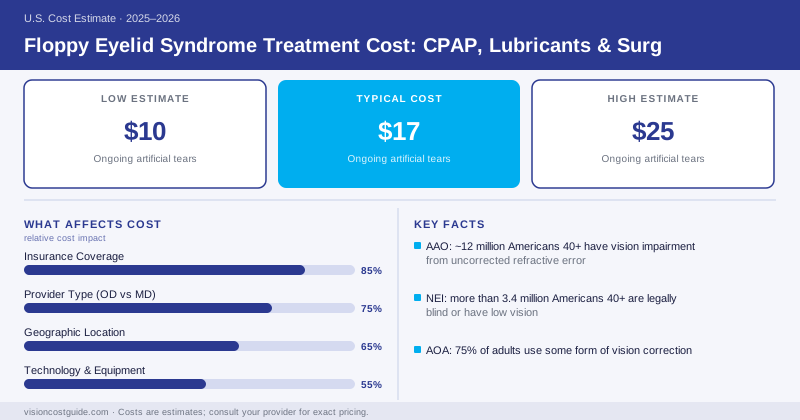
| Ongoing artificial tears | Manage surface irritation | $10-$25/month |
Why Treating Sleep Apnea Often Fixes the Eye Problem
Because floppy eyelid syndrome is so strongly linked to obstructive sleep apnea — likely through repeated mechanical rubbing of the face into the pillow during apneic episodes and tissue changes related to intermittent low oxygen — treating the sleep apnea itself frequently reduces or resolves the eyelid symptoms without any eye-specific surgery. A sleep study, followed by CPAP therapy if apnea is confirmed, addresses both the underlying condition and the secondary eye irritation simultaneously.
This is why an ophthalmologist who diagnoses floppy eyelid syndrome will often refer the patient to a sleep medicine specialist before recommending eyelid surgery — the eyelid looseness itself may not fully reverse, but the nighttime eversion and irritation frequently improve enough with apnea treatment that surgery becomes unnecessary.
Before pursuing a sleep study or surgery, most eye doctors recommend a low-cost trial period: taping the eyelids gently closed at night, wearing a soft eye shield, or applying thick lubricating ointment before bed. This costs under $30 total and, for milder cases, meaningfully reduces overnight irritation by preventing the loose eyelid from everting against the pillow, buying time to pursue diagnosis of any underlying sleep apnea without rushing into surgery.
When Surgery Is the Right Call
For patients with significant lid laxity causing recurrent, severe irritation, corneal complications, or those who don’t have (or don’t respond adequately to treating) sleep apnea, horizontal eyelid tightening surgery permanently shortens and firms the eyelid to prevent eversion. This costs $3,000-$6,000, is typically performed as outpatient surgery, and has a high success rate for eliminating the mechanical eversion problem specifically — though it doesn’t address any separate sleep apnea a patient may have.
Insurance Coverage
Because floppy eyelid syndrome causes documented medical symptoms (chronic keratitis, corneal complications, papillary conjunctivitis), both the diagnostic workup and corrective eyelid surgery are typically covered by medical insurance when properly documented — this is functional, not cosmetic, eyelid surgery. Sleep studies and CPAP therapy are standard covered medical benefits under nearly all insurance plans when obstructive sleep apnea is suspected or confirmed.
Who Gets Floppy Eyelid Syndrome
The condition is strongly associated with obesity, male sex, and middle age, and it’s substantially underdiagnosed — patients frequently cycle through months of treatment for presumed chronic conjunctivitis or dry eye before a doctor examines the eyelid’s mechanical laxity directly by gently pulling the upper lid upward, which everts abnormally easily in true FES.
If you have chronic one-sided or bilateral eye irritation that’s worse in the morning, especially if you sleep face-down or on one side, ask your eye doctor specifically about floppy eyelid syndrome and sleep apnea screening — this connection is frequently missed in routine visits focused only on the eye’s surface symptoms.
Bottom Line
Start with nighttime lubrication and eye protection — it’s nearly free and helps most patients immediately. But don’t skip the sleep apnea conversation; treating it may solve the eyelid problem entirely without surgery.