Babies can’t read an eye chart, so how does anyone check their vision, and what does it cost? The short answer: $0 to $150, and a surprising amount of it can be free. A trained eye doctor can assess a baby’s eye health, focusing, and alignment without a single word from the patient.
Catching eye problems early matters enormously. The brain’s visual system develops fastest in the first years of life, and conditions like crossed eyes or a large prescription difference between the eyes can cause permanent vision loss if missed.
Screening vs. Comprehensive Exam
These two get confused, so it’s worth separating them.
A vision screening is a quick check, often done by your pediatrician at well-baby visits. They look at eye alignment, the red reflex, and how the baby tracks objects. It’s free as part of routine care but limited in what it catches.
A comprehensive infant eye assessment is more thorough. An optometrist evaluates refractive error, eye teaming, eye health, and movement using objective tools that don’t require the baby to respond. The American Optometric Association recommends one of these between 6 and 12 months, even when nothing seems wrong.
What It Costs
| Type | Provider | Cost |
|---|---|---|
| Pediatric screening (well-baby visit) | Pediatrician | $0 (part of routine care) |
| InfantSEE assessment (6–12 months) | Participating optometrist | $0 |
| Comprehensive infant eye exam | Optometrist | $0–$150 |
| Specialist follow-up (if needed) | Pediatric ophthalmologist | $150–$300 |
The standout here is InfantSEE, a public-health program from the American Optometric Association that provides one free comprehensive eye assessment for babies aged 6 to 12 months, no insurance or income requirement. Thousands of optometrists participate nationwide.
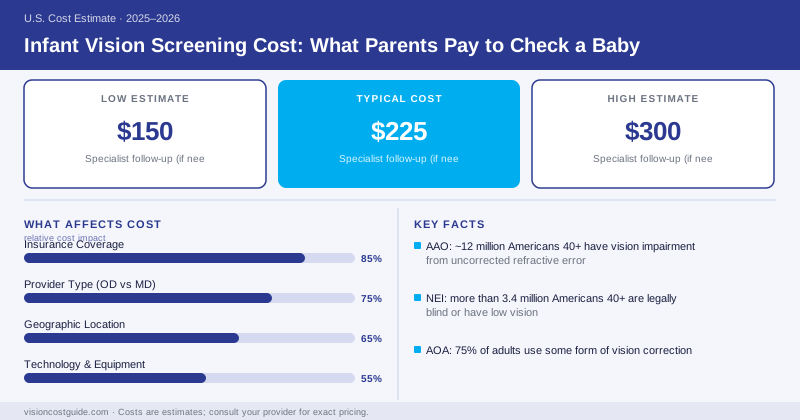
Infant vision screening can cost nothing. Pediatric screenings come free with well-baby visits, and the InfantSEE program offers a free comprehensive assessment for babies 6–12 months. A paid optometric exam tops out around $150.
What the Doctor Checks
You might wonder how anyone tests a baby who can’t talk. Eye doctors use objective techniques that read the eye directly:
- Red reflex test: a light check that screens for cataracts, retinoblastoma, and other serious issues
- Retinoscopy: shines light into the eye to measure refractive error without a response
- Alignment and tracking: confirms the eyes work together and follow objects
- Eye health exam: checks the internal structures for abnormalities
None of it requires the baby to cooperate, which is exactly why a trained provider catches problems a quick screening might miss.
Why Early Detection Pays Off
The Centers for Disease Control and Prevention notes that early vision problems in children, left untreated, can lead to permanent amblyopia, often called lazy eye. The window to correct it is narrow, mostly before age 7 to 9, when the brain’s visual pathways are still flexible.
Catching a problem at 9 months instead of 4 years can mean the difference between a simple fix and lifelong reduced vision. If a screening flags something, the next step is usually a fuller evaluation. For older toddlers, our pediatric eye exam guide covers what comes next, and amblyopia treatment details the cost if lazy eye is found.
A passing pediatric screening is reassuring but not a guarantee. Quick screenings miss some refractive errors and subtle alignment issues. That’s why the AOA recommends a comprehensive assessment even for babies who pass their pediatrician’s check, especially if there’s a family history of eye problems.
When to Get One Sooner
Don’t wait for the 6-to-12-month window if you notice warning signs:
- Eyes that cross, drift, or don’t move together after 4 months
- A white or cloudy pupil in photos instead of red-eye
- Excessive tearing, light sensitivity, or constant eye rubbing
- A drooping eyelid covering part of the pupil
Any of these warrants a prompt visit to a pediatric eye specialist, regardless of age.
Bottom Line
Infant vision screening is one of the rare health checks where the best option is also often free. Take advantage of pediatric screenings at well-baby visits, then book a free InfantSEE assessment between 6 and 12 months. If anything turns up, a $150 comprehensive exam or a specialist referral is money well spent against the risk of permanent vision loss.
Find a participating InfantSEE provider in your area, and don’t skip the appointment just because your baby seems to see fine. The whole point is catching what isn’t visible to a parent’s eye, early enough to fix it.
Frequently Asked Questions
A pediatrician's basic screening is usually included in a well-baby visit at no extra charge. A comprehensive infant eye assessment by an optometrist runs $0 to $150, and the InfantSEE program offers one free assessment for babies 6 to 12 months old.
The American Optometric Association recommends a comprehensive infant eye assessment between 6 and 12 months of age, even with no visible problems, to catch issues a basic screening can miss.
Basic screenings at well-baby visits are covered under standard pediatric care. A separate comprehensive eye exam may or may not be covered, but the InfantSEE program provides one free assessment regardless of insurance.