Glaucoma surgery used to mean a scalpel, a hospital-grade operating room, weeks of restricted activity, and a real risk of serious complications. Today, for a lot of patients, it means a device the size of a grain of rice implanted through a microscopic incision during the same 15-minute window as their cataract surgery.
That shift is what “minimally invasive glaucoma surgery,” or MIGS, actually refers to — a category of devices and techniques, first cleared by the FDA in 2012 with the iStent and expanded since with devices like the Hydrus Microstent and Omni system, that lower eye pressure with a fraction of the tissue disruption and recovery time of traditional glaucoma surgery.
MIGS Cost Breakdown
| Scenario | Cost Range | Notes |
|---|---|---|
| MIGS bundled with cataract surgery | $1,500–$2,500 per eye | Most common scenario; incremental cost over cataract surgery alone |
| Standalone MIGS (no cataract surgery) | $2,500–$4,000 per eye | Less common, higher facility cost |
| Device cost alone | $800–$1,500 | Varies by device (iStent, Hydrus, Omni, etc.) |
| Facility/surgeon fee | $1,000–$2,500 | Bundled into totals above |
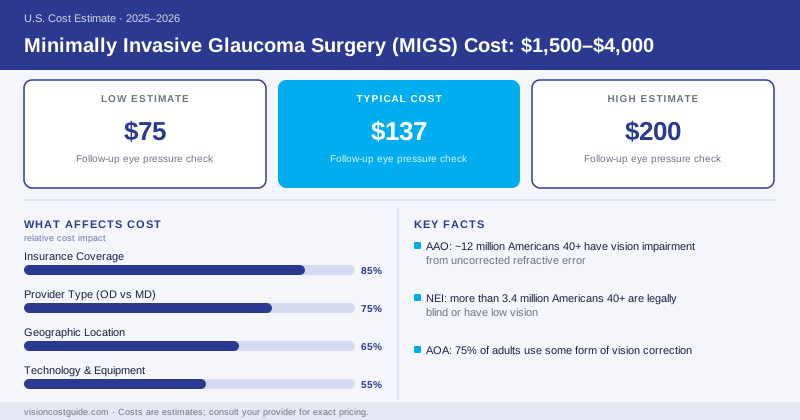
| Follow-up eye pressure checks | $75–$200 each | Typically 3–4 visits in first year |
Most MIGS procedures happen alongside cataract surgery, since both address issues in the same anterior chamber and the combined procedure adds relatively little operating time. That combination is also usually the most cost-effective path, since you’re not paying two separate facility fees.
Why MIGS Costs Less Than Traditional Surgery, Long-Term
Traditional glaucoma procedures like trabeculectomy or tube shunt surgery run $4,000–$10,000+ and come with weeks of restricted activity, frequent post-op visits, and a real risk of complications like hypotony or bleb infection requiring further treatment. MIGS devices are less effective at dramatically lowering pressure — they’re typically reserved for mild-to-moderate glaucoma — but the tradeoff is a dramatically safer complication profile and much faster recovery, which is why many ophthalmologists now offer it as a first surgical step before escalating to more aggressive options.
MIGS costs $1,500–$4,000 per eye and is usually most cost-effective when combined with cataract surgery. It’s not a replacement for traditional glaucoma surgery in advanced disease, but for mild-to-moderate glaucoma it can reduce or eliminate the need for daily eye drops with a much gentler recovery.
Insurance Coverage
MIGS devices are FDA-approved and Medicare-covered when medically indicated, meaning documented glaucoma with elevated eye pressure, not just a family history or borderline readings. Most commercial insurance plans follow Medicare’s lead on coverage criteria. Expect to pay your standard surgical copay and deductible rather than the full cash price if you have documented glaucoma and are already scheduled for cataract surgery.
What MIGS Won’t Do
MIGS devices produce a modest pressure reduction — typically enough to reduce or eliminate one or two glaucoma eye drop medications — rather than the dramatic pressure drops achievable with trabeculectomy or tube shunts. If you have advanced glaucoma with significant optic nerve damage already, your surgeon will likely recommend a more aggressive procedure instead, since MIGS simply isn’t designed to control pressure as tightly.
Drops You Might Get to Stop Buying
A meaningful side benefit worth factoring into the math: eliminating even one glaucoma eye drop medication saves $30–$150 a month depending on the drug, which adds up to $360–$1,800 a year — a real offset against the upfront MIGS cost over just a few years of use.
MIGS is not a cure for glaucoma, and pressure can still rise again over time even after a successful procedure. Continued regular eye pressure monitoring is essential — skipping follow-up visits because “the surgery fixed it” is one of the most common and preventable causes of missed glaucoma progression.
Bottom Line
At $1,500–$4,000 per eye — often less when bundled with cataract surgery — MIGS offers a genuinely gentler path to lower eye pressure than traditional glaucoma surgery, with insurance typically covering the bulk of the cost when medically indicated. Ask your ophthalmologist whether your glaucoma is mild enough for MIGS to be a meaningful option, or whether you need a more aggressive procedure instead.