Most people assume a detached retina means instant, permanent blindness. It doesn’t — not if you get treated within days, and sometimes even hours matter more than that.
Retinal detachment occurs in roughly 1 in 10,000 Americans per year, a relatively rare event, but one that ophthalmologists treat as a genuine emergency because delayed treatment dramatically worsens the odds of recovering useful vision. The retina, once separated from the underlying tissue that nourishes it, begins losing function within hours — but reattachment surgery, performed promptly, restores functional vision in the large majority of cases.
Retinal Detachment Surgery Cost by Type
| Surgical Approach | Cost Range | Notes |
|---|---|---|
| Pneumatic retinopexy | $3,000–$8,000 | Least invasive; suitable for select detachments |
| Scleral buckle | $10,000–$20,000 | Traditional approach; external support band |
| Pars plana vitrectomy | $15,000–$30,000 | Most common for complex detachments |
| Combined vitrectomy + scleral buckle | $20,000–$35,000 | For severe or recurrent cases |
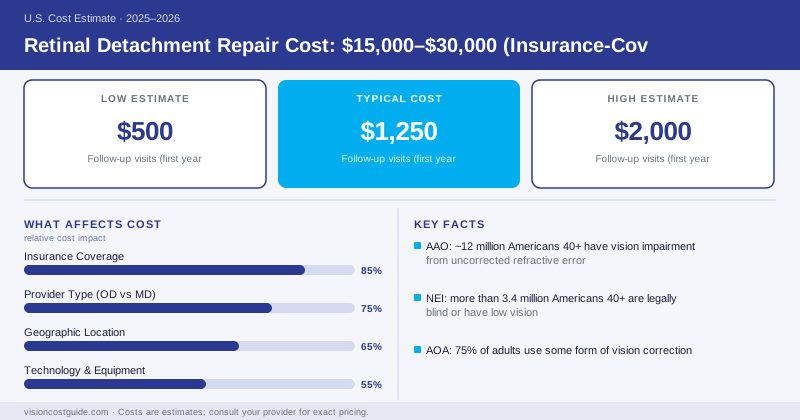
| Follow-up visits (first year) | $500–$2,000 total | Multiple visits to confirm reattachment |
Which approach your surgeon chooses depends on the detachment’s location, size, and whether it’s a simple tear or a more complex case with scar tissue (proliferative vitreoretinopathy) already forming.
Why This Surgery Is Always Covered by Insurance
Retinal detachment is unambiguously a medical emergency, not an elective procedure — untreated, it leads to permanent, irreversible vision loss in the affected eye within days to weeks. Every major health insurance plan and Medicare covers retinal detachment repair as medically necessary, typically with your standard hospital or surgical center deductible and coinsurance applying rather than the full cash price. If you’re uninsured, hospitals are generally required to stabilize and treat true ophthalmic emergencies, though the bill afterward can be substantial.
Retinal detachment repair costs $15,000–$30,000 for the most common approach (vitrectomy), but insurance covers it as an emergency procedure in nearly all cases. The bigger risk isn’t cost — it’s time. Surgery within 24–72 hours of symptom onset significantly improves the odds of recovering central vision, especially if the macula hasn’t detached yet.
Symptoms That Mean “Go Now, Not Tomorrow”
A sudden increase in floaters, flashes of light, or a shadow/curtain creeping across your peripheral vision are the classic warning signs. If the macula — the central, detail-vision part of the retina — hasn’t detached yet, same-day or next-day surgery dramatically improves the odds of preserving sharp central vision. Once the macula detaches, even successful reattachment surgery often leaves some permanent reduction in best-corrected vision.
What Happens After Surgery
Recovery varies significantly by surgical type. Pneumatic retinopexy patients may need to maintain a specific head position for days to keep a gas bubble in place against the retina. Vitrectomy patients with a gas or oil bubble placed during surgery face travel restrictions (no flying) until the bubble resolves or is removed, and vision often remains blurry for weeks as the bubble slowly absorbs. Multiple follow-up visits over the following months confirm the retina stays attached and monitor for the redetachment that occurs in a meaningful minority of complex cases.
The Second-Eye Risk
Once you’ve had a retinal detachment in one eye, your risk of detachment in the other eye rises measurably, particularly if you’re highly myopic or have a family history. Most ophthalmologists recommend a dilated exam of the unaffected eye and patient education on warning signs to watch for, since catching a second detachment early makes an enormous difference in outcome.
Sudden flashes, a shower of new floaters, or a shadow across your vision are not symptoms to schedule around — they warrant an emergency ophthalmology evaluation the same day. Delaying even 48–72 hours can be the difference between full visual recovery and permanent central vision loss.
Bottom Line
At $15,000–$30,000, retinal detachment repair is one of the more expensive eye surgeries, but insurance coverage is essentially universal given its emergency status. The number that actually determines your outcome isn’t the bill — it’s how many hours pass between your first symptom and your surgeon’s table.