Pick up a pair of titanium glasses and the first thing you notice is what you don’t feel — they’re shockingly light. That weightlessness, plus near-bulletproof durability, is why titanium frames cost $80 to $400+ while plastic frames start at six bucks. The question is whether the premium earns its keep.
Titanium has quietly become the gold standard for premium metal eyewear. It’s lighter than steel, resists corrosion and bending, and doesn’t trigger metal allergies. Here’s what you’ll actually pay and how to decide if it’s worth it.
Titanium Frame Price Breakdown
| Item | Cost |
|---|---|
| Budget titanium (online) | $80–$150 |
| Mid-range titanium | $150–$280 |
| Premium brand (Lindberg, Silhouette, Oakley) | $300–$400+ |
| Beta titanium (flexible alloy) | $120–$350 |
| Rimless titanium | $150–$400 |
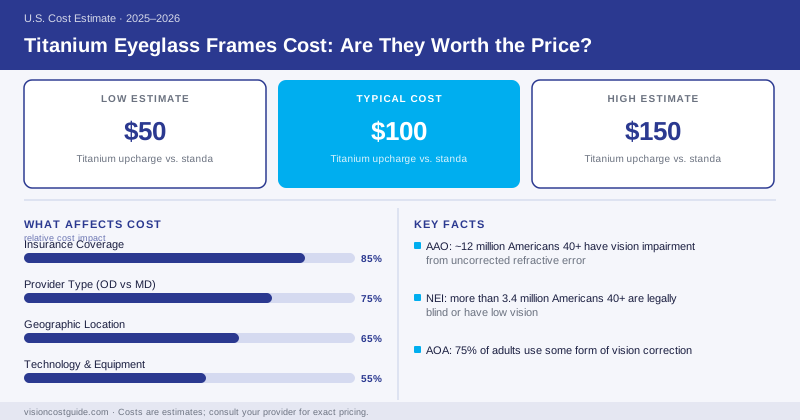
| Titanium upcharge vs. standard metal | +$50–$150 |
The spread is wide because “titanium” covers everything from budget online frames to handmade Danish eyewear. The metal itself is part of the cost, but brand, design complexity, and whether it’s pure or beta titanium all push the price.
Why Titanium Costs More
Titanium is harder to machine and shape than the monel and stainless steel used in cheaper metal frames. That manufacturing difficulty, plus the metal’s premium reputation, drives the markup. You’re paying for tangible benefits, though: titanium frames typically weigh 40% less than comparable steel frames and resist the corrosion that makes cheap metal frames discolor and weaken over time.
Titanium frames run $80–$400+, with budget online options starting around $80 and premium brands topping $400. They’re lighter, hypoallergenic, and more durable than standard metal — often lasting years longer. If you wear glasses all day or have a metal allergy, the upgrade is usually worth it. Pair them with smart lens choices to avoid overpaying on the full pair.
Pure vs. Beta Titanium
Two types dominate the market. Pure titanium is exceptionally strong, fully hypoallergenic, and holds whatever shape it’s set to — great for durability, less forgiving for adjustments. Beta titanium is an alloy blended with small amounts of aluminum and vanadium, making it more flexible and springy. Beta titanium adjusts more easily and “remembers” its shape, which is why many premium flexible frames use it. Expect to pay a small premium for beta.
Who Should Choose Titanium
Titanium makes the most sense if you:
- Wear glasses all day and want minimal nose and ear pressure
- Have a nickel or metal allergy (titanium is biocompatible)
- Are hard on your frames and want longevity
- Need a strong but lightweight base for rimless glasses or high-index lenses
Don’t pay premium-brand prices for budget titanium quality. A $90 online titanium frame and a $350 designer titanium frame are both titanium, but the designer price reflects brand, design, and craftsmanship — not better metal. If you want titanium’s benefits without the luxury markup, mid-range online frames deliver most of the value. Compare the actual frame, not just the metal label.
How It Affects Your Total Cost
The frame is only half the equation. A titanium frame paired with basic single-vision lenses online might total $130–$200, while the same frame at a premium optical shop with progressive lenses and coatings could exceed $600. If you’re investing in a quality frame, it’s worth understanding why glasses are so expensive so you can spend where it counts and save where it doesn’t.
Bottom Line
Titanium eyeglass frames cost $80–$400+, with the wide range reflecting brand and titanium type more than the metal itself. They’re genuinely lighter, tougher, and more skin-friendly than standard metal frames — a worthwhile upgrade for daily wearers, allergy sufferers, and anyone wanting frames that last. Buy mid-range online to capture most of the benefit without the luxury premium, and choose your eyeglass frames and lenses with the full pair cost in mind.
Frequently Asked Questions
Titanium frames typically cost $80–$400+. Budget online titanium runs $80–$150, while premium brands like Lindberg or Oakley titanium can exceed $400 for the frame alone.
For many people, yes. Titanium is lighter, hypoallergenic, and far more corrosion- and bend-resistant than standard metal frames, which often makes them last longer and feel more comfortable for all-day wear.
Pure titanium is strong and hypoallergenic but holds a fixed shape. Beta titanium is an alloy that's more flexible and easier to adjust, often costing slightly more and used in higher-end frames.