Here’s a surprise that catches a lot of retirees off guard: Original Medicare doesn’t pay for the eye exam that updates your glasses prescription, and it definitely doesn’t pay for the glasses. That gap hits at exactly the age when most people need vision correction the most. So how do seniors cover routine eye care affordably? Let’s walk through it.
Why Medicare Leaves a Gap
Original Medicare (Parts A and B) only covers eye care that’s medically necessary — cataract surgery, treatment for glaucoma, diabetic eye disease, and the corrective lenses you need right after cataract surgery. Routine exams for glasses? Not covered. Frames and lenses? Not covered. Our full breakdown of Medicare vision coverage lays out exactly where the lines fall.
That’s a real problem for older adults. The National Eye Institute notes that age-related eye conditions become far more common after 60, and most seniors need vision correction — yet the program they rely on for health care simply doesn’t touch routine vision.
The Three Ways Seniors Cover Vision
| Option | Monthly Cost | What It Covers |
|---|---|---|
| Standalone senior vision plan | $10–$35 | Exam + frame allowance + lens benefit |
| Medicare Advantage (with vision) | $0–$30 extra | Often bundled exam + eyewear allowance |
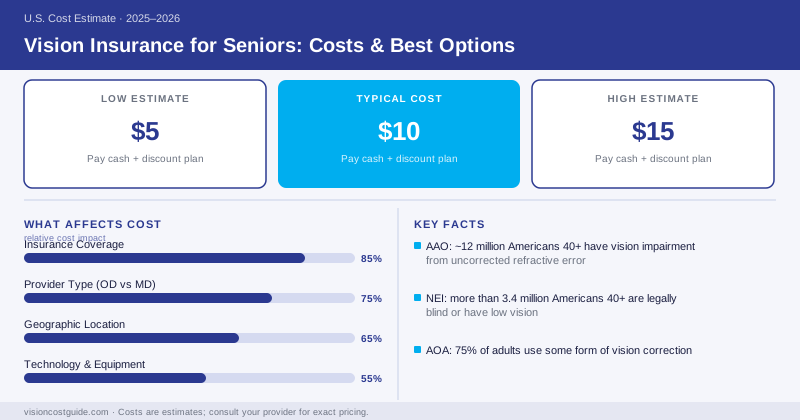
| Pay cash + discount plan | $5–$15 fee | % off exams and eyewear |
Standalone vision plans from carriers like VSP, EyeMed, and Humana work just like working-age coverage — a covered eye exam, a frame allowance, and a lens benefit for $10–$35/month.
Medicare Advantage is the route many retirees take. Roughly half of Medicare beneficiaries are now enrolled in Advantage plans, and the large majority of those plans include some vision benefit — often a routine exam plus a $100–$200 annual eyewear allowance bundled in.
Paying cash with a discount membership works for light users who keep their frames for years.
One factor that pushes more seniors toward coverage than younger adults: presbyopia. The American Optometric Association notes that this age-related loss of near focus affects essentially everyone past their mid-40s, which is why so many retirees end up in progressive lenses or bifocals. Those lenses cost more than basic single-vision, and prescriptions often shift year to year as eyes keep changing. That combination — pricier lenses plus more frequent updates — is exactly the usage pattern where a vision plan’s allowances and copays earn their keep.
Before buying a standalone vision plan, check what your Medicare Advantage plan already includes — many seniors are paying for vision coverage twice without realizing it. If your Advantage plan covers an annual exam and a $150 eyewear allowance, a separate $25/month plan may be redundant. Read your Evidence of Coverage first.
The Break-Even Math for Retirees
Seniors often need prescription updates more frequently, which tilts the math toward coverage. Take a $20/month standalone plan ($240/year):
Typical annual senior eye-care use:
- Plan cost: $240
- Covered exam: $0–$10 copay
- Frames after $150 allowance: ~$50
- Progressive lens copay: ~$60 (progressives are common after 50)
- Total out-of-pocket: ~$120 + $240 premium = $360
- Without insurance: $130 exam + $300+ for glasses with progressives = $430+
- Net savings: roughly $70–$100/year
The savings grow if you need new glasses more than once a year due to changing prescriptions — which happens more often with age-related eye changes.
Don’t drop coverage assuming Medicare will catch cataract surgery costs entirely — it covers the surgery and basic post-surgery lenses, but premium lens upgrades cost extra out of pocket. And no vision plan meaningfully covers LASIK for seniors. If you face a large eye-care expense, financing like CareCredit can spread the cost.
How Seniors Should Choose
Match the plan to your usage. If you buy glasses yearly, wear progressives, or have a shifting prescription, a $15–$25/month plan — or a Medicare Advantage plan with bundled vision — usually pays off. If you keep the same frames for years and only need occasional exams, paying cash with a discount membership saves more.
One more tip: if you’re still working past 65 or have a working spouse, an employer vision plan may be cheaper than anything on the senior market. And if you’ve got an HSA from before retirement, vision care remains an eligible expense you can tap tax-free. Run your real numbers on what each option actually costs you before signing up for anything.
Frequently Asked Questions
Original Medicare does not cover routine eye exams, glasses, or contacts. It only covers medically necessary eye care like cataract surgery. Most seniors need a separate vision plan or a Medicare Advantage plan with vision benefits.
Standalone senior vision plans run $10–$35/month. Many Medicare Advantage plans bundle vision coverage at no extra premium beyond the plan itself.
If you buy glasses yearly or have age-related eye changes requiring frequent prescription updates, a $15–$25/month plan often pays for itself. Light users may do better paying cash.