More than 7 million Americans live with significant vision loss, according to figures cited by the National Federation of the Blind — and the single most common mobility tool among them isn’t a guide dog. It’s a cane that costs less than a dinner out. The training to use it well, though, is where the real cost conversation happens.
The Cane Itself Is Cheap
A standard long white cane (fiberglass or aluminum, folding or rigid) runs $20-$50 from suppliers like the National Federation of the Blind’s independence market or Ambutech. Higher-end carbon fiber canes or ones with specialized rolling tips cost $60-$120. This is not where your budget goes.
Where the Money Actually Goes: Orientation and Mobility (O&M) Training
Learning to use a cane safely — reading terrain changes, crossing streets by sound, tracking building lines, using systematic search patterns — requires instruction from a Certified Orientation and Mobility Specialist (COMS). This is a distinct professional credential, and it’s the real cost driver.
| Service | Typical Cost | Notes |
|---|---|---|
| White cane (basic fiberglass) | $20-$50 | One-time |
| White cane (carbon fiber/specialty) | $60-$120 | One-time |
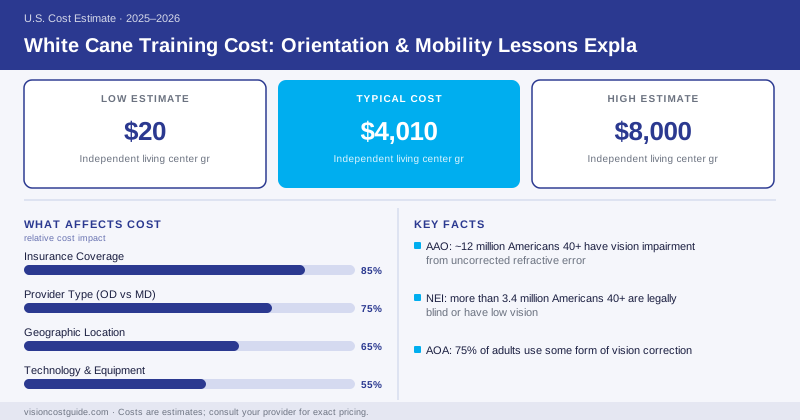
| O&M private lesson (private pay) | $50-$150/hour | Varies by region and instructor credential |
| Full O&M training program (weeks) | $2,000-$8,000 private pay | Rarely paid out of pocket in full |
| State vocational rehabilitation O&M services | Free to low-cost | Income-based; most common funding path |
| School/agency-based training for children | Free | Through IDEA-mandated services |
| Independent living center group classes | Free-$50 | Varies by nonprofit funding |
Why Most People Pay Little to Nothing
Here’s the detail that surprises people researching this cost: the overwhelming majority of O&M training in the U.S. is funded through state vocational rehabilitation agencies for working-age adults, through school districts under IDEA for children and students, or through nonprofit independent living centers for older adults. Private-pay O&M training exists, but it’s the exception, not the rule.
If you or your child has a documented visual impairment, your state’s vocational rehabilitation agency (sometimes called the Commission for the Blind) is the first call to make — not a private instructor.
Every state has a designated agency serving blind and visually impaired residents, often called a Commission for the Blind, Bureau of Services for the Blind, or similar. These agencies employ or contract with COMS-certified instructors and provide O&M training, along with cane supplies, at no cost to eligible residents regardless of employment status in many states. Search “[your state] services for the blind” to find your agency, or ask your ophthalmologist or low vision specialist for a referral — they typically have this contact on file.
What a Training Program Actually Involves
A typical O&M curriculum runs anywhere from a handful of sessions for someone with residual vision and basic cane skills, to months of structured instruction for someone newly blind. Training generally progresses through:
- Indoor cane technique and body positioning
- Sound-based street crossing without visual cues
- Route memorization and landmark identification
- Public transportation navigation
- Complex intersection and unfamiliar-area travel
Each stage builds independence incrementally, and instructors typically won’t sign off on advanced skills until basics are solid — rushing this process creates real safety risk.
Insurance and Medicare Coverage
Standard health insurance and Medicare generally do not cover O&M training, since it’s classified as an independent living/rehabilitation service rather than a medical treatment. This is exactly why the vocational rehabilitation and school-based funding pathways matter so much — they exist specifically because private insurance doesn’t fill this gap.
Avoid paying full private-pay rates for O&M training before checking with your state’s blindness services agency. Even if you’re employed, financially stable, or not seeking a job, many state programs provide these services regardless of income specifically because independent travel is considered a basic civil right, not a vocational benefit alone.
Bottom Line
Budget $20-$50 for the cane. Budget zero dollars, in most cases, for the training — if you know where to look first.