Run the math and it surprises people: contacts you wear for 30 years can cost more than three LASIK procedures. Yet most people keep buying lenses anyway. The reason is simple. $4,400 today feels bigger than $30 a month, even when the monthly habit wins on total dollars.
Here’s the real lifetime comparison.
The Annual Cost of Contacts
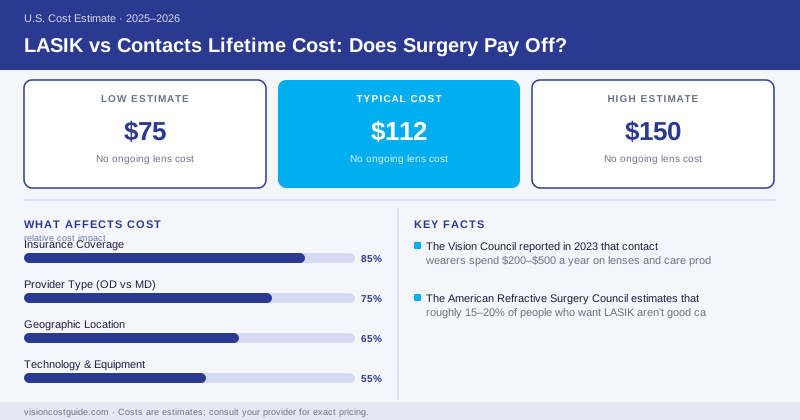
Daily disposables, monthly lenses, solution, cases, and a backup pair of glasses all add up. The Vision Council reported in 2023 that contact wearers spend $200–$500 a year on lenses and care products. Add the annual exam (often $75–$150) and the typical contact wearer is at $300–$500 yearly.
| LASIK | Contacts (per year) |
|---|---|
| ~$4,400 one time | $300–$500 every year |
| ~$2,200 per eye | $200–$500 lenses + solution |
| No ongoing lens cost | Annual exam $75–$150 |
| Lasts decades for most | Recurring forever |
The Lifetime Math
Take a 25-year-old who’ll wear vision correction for 40 more years. At $400 a year, that’s $16,000 in contact lenses over a lifetime, not adjusting for inflation. A single LASIK procedure at $4,400 looks cheap by comparison.
The break-even point usually lands between year 10 and year 14. After that, every year you’d have spent on contacts is pure savings.
If you’re under 40 and a good LASIK candidate, surgery almost always wins on total lifetime cost. The break-even hits around year 10–14, and you stop paying after that. Contacts keep charging you every single year.
Why So Many People Still Choose Contacts
Cash flow, mostly. Not everyone can drop $4,400 at once, even with the savings staring back at them. And not everyone qualifies for surgery. The American Refractive Surgery Council estimates that roughly 15–20% of people who want LASIK aren’t good candidates due to thin corneas, unstable prescriptions, or dry eye.
There’s also fear. It’s surgery on your eyes. For people who’d rather not take the risk, daily contacts stay the comfortable default.
What LASIK Doesn’t Cover
One honest caveat: LASIK fixes distance vision, not aging eyes. The American Academy of Ophthalmology notes that presbyopia hits nearly everyone in their mid-40s. So even after LASIK, you’ll likely buy reading glasses eventually. That’s a $20–$40 expense, not a dealbreaker, but worth knowing.
Don’t get LASIK purely to save money if you’re already over 50. The remaining years of contact spending may not exceed the surgery cost, and presbyopia will have you reaching for readers anyway. Run your own numbers first.
The Hidden Costs of Contacts People Skip
The annual lens price isn’t the whole story. Contacts come with recurring extras that quietly inflate the lifetime total. You’ll buy solution, cases, rewetting drops, and a backup pair of glasses you need anyway. The CDC has reported that improper contact lens hygiene drives roughly 1 million eye-care visits a year, and a single corneal infection can cost hundreds to treat. Lost or torn lenses get replaced. None of those line items disappear over a 30- or 40-year stretch, which is exactly why the lifetime contact figure climbs past $15,000 for long-term wearers. LASIK has no equivalent recurring tail once you’ve healed.
A Quick Decision Framework
Ask yourself three things:
- How many years of vision correction do I have left? More than 12 favors LASIK.
- Can I afford the upfront cost or qualify for 0% financing? A $4,400 bill over 24 months is about $183 a month.
- Am I a surgical candidate? Get a free consult to confirm before assuming.
If you’re weighing the decision purely on dollars, our deeper look at whether LASIK is worth it runs the payback scenarios. And if you decide contacts are still your pick, knowing the difference between glasses and contacts costs helps you trim the recurring bill.
For most younger adults, the answer is clear: LASIK costs more today and far less over a lifetime.
Frequently Asked Questions
Most people break even in 10–14 years. At $300–$500 a year for contacts and supplies, a $4,400 LASIK procedure pays back in roughly a decade.
Over 30 years, contacts and solution typically total $9,000–$15,000, not counting the eye exams and backup glasses you still need.
Often, yes. About 90% of patients keep 20/40 vision or better long-term, though some develop presbyopia in their 40s and need reading glasses regardless.