That chrome, gold, or blue flash you see on athletes’ sunglasses isn’t just style — it’s a coating that bounces extra light away from your eyes. Mirror coating costs $20 to $80 as an add-on, and it pulls double duty: a bold aesthetic and genuine glare reduction in harsh conditions.
Mirror coating (sometimes called flash coating) is one of the more visible lens add-ons, and it’s frequently misunderstood. Here’s what you’ll pay and what it actually delivers.
Mirror Coating Price Breakdown
| Item | Cost |
|---|---|
| Online add-on | $20–$40 |
| In-store optical add-on | $40–$80 |
| On prescription sunglasses | $50–$80 |
| Premium/gradient mirror finish | $50–$100 |
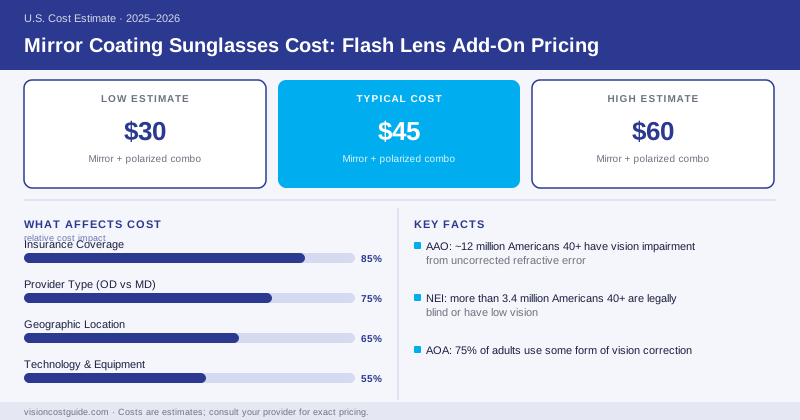
| Mirror + polarized combo | +$30–$60 over base |
| Color options (silver, gold, blue, etc.) | Usually same price |
The price depends mostly on where you buy and whether the sunglasses are prescription. Online add-ons are cheapest; prescription sunglasses at an optical shop sit at the top of the range because the coating is applied to custom lenses.
What Mirror Coating Actually Does
A mirror coating is a thin reflective layer applied to the front surface of an already-tinted lens. It reflects a portion of incoming light away before it even reaches the tint, cutting the total brightness your eyes receive. In intense glare — snow, open water, bright sand — that extra reduction is genuinely useful. It also hides your eyes from view, which some people prefer for privacy or sport.
Mirror coating costs $20–$80 on sunglasses and reduces visible brightness beyond a standard tint, on top of the bold reflective look. It’s worth it for skiing, boating, and high-glare driving. For casual sun, it’s mostly cosmetic. On prescription sunglasses, expect the higher end of the range since it’s applied to custom lenses.
Mirror vs. Polarized: Not the Same Thing
This trips people up constantly. Mirror coating reduces overall brightness by reflecting light away. Polarization filters out horizontal glare reflecting off flat surfaces like water and roads. They solve different problems, and the best high-glare sunglasses often combine both — a polarized lens with a mirror coating on top. If you can only pick one for driving or water sports, polarization usually matters more functionally; the mirror coating adds extra brightness reduction and the signature look.
Who Should Add Mirror Coating
It’s a smart upgrade if you:
- Spend time in extreme glare (snow sports, fishing, sailing)
- Want maximum brightness reduction beyond a standard tint
- Like the reflective aesthetic
- Already have polarized lenses and want to layer on extra protection
It’s optional cosmetic flair if you mostly wear sunglasses for casual everyday use, where a quality tint or polarization alone is plenty.
Mirror coatings show smudges, scratches, and wear more than plain tints. Fingerprints and water spots are far more visible on a reflective surface, and scratches in the coating are obvious. Mirror-coated lenses need careful cleaning with a microfiber cloth and benefit from a scratch-resistant treatment. If you’re hard on your sunglasses, factor in that the coating can degrade visibly over time.
How It Affects Your Sunglasses Budget
Adding mirror coating to prescription sunglasses stacks on top of the frame, the tint, and any polarization or anti-reflective coating on the back surface (yes, AR on the inner surface of mirrored lenses cuts reflections into your eyes). A fully loaded prescription pair can climb quickly, so prioritize the features that solve your actual glare problem. For everyday eyeglasses wearers who only occasionally need sun protection, a basic clip-on or photochromic option may be more cost-effective than a fully mirrored prescription pair.
Bottom Line
Mirror coating on sunglasses costs $20–$80, delivering both the flash-lens look and real brightness reduction in harsh glare. It’s worth it for snow, water, and bright-sun sports; it’s mostly cosmetic for casual wear. It’s not a substitute for polarization — the two do different jobs and pair well together. Add it where the glare actually warrants it, and keep the rest of your sunglasses budget focused on lenses that match how you’ll really use them.
Frequently Asked Questions
Mirror (flash) coating typically costs $20–$80 as an add-on. Online retailers charge around $20–$40, while in-store optical shops and prescription sunglasses can run $50–$80.
Yes. The reflective layer bounces away additional light, reducing glare and visible brightness beyond what a standard tint provides, which is helpful in very bright conditions like snow or water.
It's worth it if you spend time in intense glare environments like skiing, boating, or driving in bright sun. For everyday wear, it's mostly a cosmetic upgrade over standard tinted or polarized lenses.