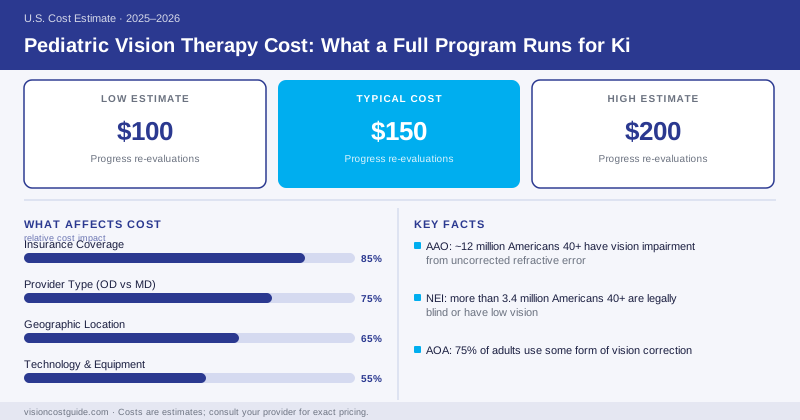
A pediatric vision therapy program can run anywhere from $1,500 to $6,000, and the spread depends almost entirely on one number: how many sessions your child needs. Some kids finish in 20 sessions; others need 40. That’s the difference between the low and high end.
Vision therapy is structured exercise for the visual system. It trains the eyes and brain to work together better, treating problems that glasses alone can’t fix, like eye-teaming, tracking, and focusing disorders.
What It Treats
Vision therapy isn’t for nearsightedness or general blur. It targets specific functional problems:
- Convergence insufficiency (eyes don’t team up for near work)
- Amblyopia, when paired with other treatments
- Eye-tracking and saccade problems that disrupt reading
- Focusing (accommodative) disorders
- Some post-concussion and strabismus cases
If your child reads slowly, loses their place, gets headaches doing homework, or sees double up close, an evaluation may point here. Our convergence insufficiency treatment guide goes deeper on the most common reason kids get referred.
The Cost Breakdown
| Item | Cost |
|---|---|
| Initial evaluation | $150–$350 |
| In-office session (each) | $75–$175 |
| Typical program (20–40 sessions) | $1,500–$6,000 |
| Home exercise equipment | $50–$200 |
| Progress re-evaluations | $100–$200 each |
The per-session price is fairly consistent nationwide. What drives the total is session count, which your optometrist sets based on the diagnosis and your child’s progress. Severe or combined conditions need more sessions.
Pediatric vision therapy costs $1,500–$6,000 for a full program, built from $75–$175 in-office sessions. Most kids need 20–40 sessions. The exact total tracks directly with session count, so ask for an estimated range up front.
Does It Work?
For specific conditions, the evidence is strong. The Convergence Insufficiency Treatment Trial, a major NEI-funded randomized study published in Archives of Ophthalmology, found office-based vision therapy with home reinforcement was significantly more effective than home exercises or pencil push-ups alone. About 75% of kids in the office-therapy group had a successful or improved outcome.
That’s the headline: for convergence insufficiency, well-designed therapy works. For broader claims, like treating dyslexia or boosting general academic performance, the science is far weaker, and reputable providers won’t promise that.
Insurance and Saving Money
Here’s where it gets frustrating. Coverage is wildly inconsistent. Some medical plans cover therapy for a documented medical diagnosis like convergence insufficiency; others reject it as not medically necessary or as a vision-plan exclusion. The same diagnosis can be covered under one policy and denied under another.
Ways to manage the cost:
- Ask the practice to bill medical insurance, not vision, for diagnosed conditions
- Get a written diagnosis and treatment plan to support the claim
- Use FSA or HSA dollars, which cover therapy as a medical expense
- Ask whether the practice offers a package rate versus pay-per-session
Our broader vision therapy cost guide covers the insurance fight in more detail.
Be cautious of programs that promise to cure learning disabilities, dyslexia, or ADHD through vision therapy. Major pediatric and ophthalmology organizations have warned that these claims aren’t supported by evidence. Legitimate therapy treats specific eye-function problems, not academic or behavioral disorders. If a clinic over-promises, get a second opinion.
Is It Worth It for Your Child?
If your child has a diagnosed eye-teaming or focusing problem that’s interfering with reading or causing headaches, vision therapy can be genuinely life-changing and the research backs it. In that case, $1,500 to $6,000 buys a functional improvement that glasses can’t deliver.
If the diagnosis is vague or the goals are academic rather than functional, slow down. Get a second opinion, ideally from a pediatric ophthalmologist, before committing to a long program.
Start with a thorough pediatric eye exam and a functional vision evaluation. A reputable provider will give you a clear diagnosis, an honest session estimate, and measurable goals, so you know exactly what you’re paying for and how you’ll know it worked.
Frequently Asked Questions
A full program runs $1,500 to $6,000, depending on the number of sessions. Individual in-office sessions cost $75 to $175 each, and most kids need 20 to 40 sessions over several months.
Coverage is inconsistent. Some medical plans cover therapy for diagnosed conditions like convergence insufficiency, while others deny it as not medically necessary. FSA and HSA funds can be used either way.
Most pediatric programs run 12 to 30 weeks with one or two in-office sessions weekly, plus home exercises. The total depends on the condition being treated and how the child responds.