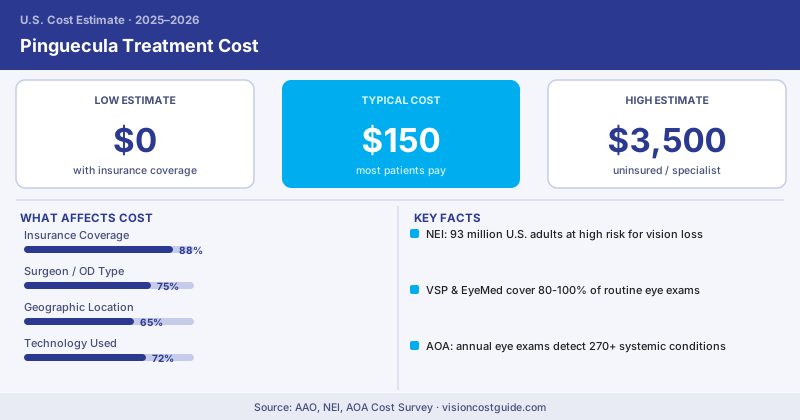
That yellowish bump on the white of your eye has probably been there for years. Your eye doctor called it a pinguecula and told you not to worry. But now it’s occasionally red, irritated, or you’re just tired of seeing it in every photo. What does it cost to treat—or remove?
Less than you’d think, for most cases.
What Is a Pinguecula?
A pinguecula (pin-GWEK-yoo-la) is a non-cancerous growth of yellowish-white tissue on the conjunctiva, typically on the nasal side of the eye. It’s made of protein, fat, and calcium deposits—essentially sun-damaged tissue. UV exposure, dust, wind, and dry environments are the main causes.
Pinguecula is extremely common, affecting an estimated 20–75% of adults depending on sun exposure history. The AOA notes it’s among the most frequently observed conjunctival findings in routine eye exams.
It’s different from pterygium (which grows onto the cornea and can affect vision)—though the two conditions often coexist.
Treatment Costs
| Treatment | Cost |
|---|---|
| Annual monitoring (no treatment) | $0 (part of routine exam) |
| Lubricating eye drops (artificial tears) | $10–$40 |
| Prescription anti-inflammatory drops | $80–$250 |
| Protective UV-blocking sunglasses | $15–$300 |
| Surgical excision (cosmetic/symptomatic) | $1,500–$3,500 per eye |
| Conjunctival autograft (post-excision) | Included or +$500–$1,000 |
When No Treatment Is Needed
Most pingueculae never require treatment beyond sun protection and artificial tears. If yours is stable and not causing symptoms, your annual eye exam already includes monitoring it—no extra cost.
Wearing UV-400 sunglasses whenever outdoors ($15–$300) is the single best way to prevent growth and reduce irritation. This isn’t vanity—UV exposure is the primary driver of progression, and early protection genuinely works.
When Treatment Becomes Necessary
Inflammation (pingueculitis) occurs when the pinguecula becomes red and swollen, often triggered by dry environments, wind, or contact lens wear. Treatment: lubricating drops plus a short course of mild steroid or NSAID drops. Lotemax gel or Alrex (both available as generics) cost $40–$150 with a GoodRx coupon. Episodes typically resolve within 1–2 weeks.
Contact lens discomfort is a common complaint—pingueculae can lift the lens edge, cause poor fit, or create a focal point for dryness. If you wear contacts, this may be the trigger for seeking excision.
Cosmetic concern is the most common reason patients request surgical removal. The yellowish bump is visible and many people find it aesthetically bothersome.
Surgical Removal: What It Costs and Involves
Pinguecula excision is an outpatient procedure done under topical anesthesia. The surgeon removes the abnormal tissue, typically replacing it with an autologous conjunctival graft (tissue taken from under the upper eyelid) to reduce recurrence.
Cost: $1,500–$3,500 per eye, depending on:
- Geographic location (urban specialists charge more)
- Whether a conjunctival autograft is performed
- Facility fees (in-office vs. ASC)
Insurance coverage: Most insurers classify pinguecula removal as cosmetic and deny coverage unless there’s documented functional impairment—e.g., blocking the visual axis (unusual) or causing recurrent pingueculitis despite medical management. You’ll likely need to pay out-of-pocket unless your case is well-documented as medically necessary.
Pinguecula recurrence after surgery is about 10–30% without a conjunctival autograft, and under 5% with one. Always ask your surgeon whether they’re planning a graft—and if not, why. Recurrence is more aggressive than the original growth and harder to remove. Paying for the graft upfront is almost always worth it.
Pinguecula vs. Pterygium: Why the Distinction Matters
If your eye bump is growing toward your cornea, it may be a pterygium—a more serious condition that can distort vision and requires surgery before it encroaches on the visual axis. Pterygium removal costs $1,800–$4,000 per eye and is more often covered by insurance when it’s causing astigmatism or vision loss.
Your ophthalmologist can distinguish them with a slit-lamp exam. Don’t assume you know which one you have based on a photo.
Reducing Out-of-Pocket Costs
- Get a formal diagnosis and document any recurrent inflammation—it builds a case for medical necessity.
- Ask about combining pinguecula and pterygium removal if you have both, reducing total OR time and fees.
- Use HSA/FSA funds—both are qualified medical expenses.
- Shop around: ophthalmology practices in suburban areas often charge 20–40% less than urban medical centers for this elective procedure.
The bottom line: most pingueculae cost almost nothing to manage. If you want it gone for cosmetic reasons, budget $1,500–$3,500 and pay out-of-pocket. Don’t let anyone charge you for a procedure you don’t need—monitoring and lubricating drops handle most symptomatic cases just fine.