Switch to silicone hydrogel lenses, your optometrist says, and your end-of-day dryness will improve. Maybe it will. Silicone hydrogel materials do transmit significantly more oxygen to the cornea than traditional hydrogel lenses — the data on that is solid. Whether the switch will solve your specific dry eye situation depends on what’s actually driving the dryness. Understanding the cost difference helps you make a more informed decision about whether the upgrade is worth it.
Silicone Hydrogel vs. Traditional Hydrogel: The Cost Gap
Traditional HEMA-based hydrogels (like many generic daily disposables) are generally cheaper to manufacture. Silicone hydrogel materials require more complex polymerization processes, and that cost shows up in retail pricing.
| Lens Type | Format | Cost Per Box | Boxes/Year (Both Eyes) | Annual Cost |
|---|---|---|---|---|
| Traditional hydrogel daily (generic) | Daily disposable | $20–$35 | 16–24 boxes | $320–$840 |
| Silicone hydrogel daily (Dailies Total1) | Daily disposable | $55–$80 | 16–24 boxes | $880–$1,920 |
| Silicone hydrogel daily (PRECISION1) | Daily disposable | $45–$65 | 16–24 boxes | $720–$1,560 |
| Silicone hydrogel daily (ACUVUE OASYS 1-Day) | Daily disposable | $45–$75 | 16–24 boxes | $720–$1,800 |
| Silicone hydrogel monthly (ACUVUE OASYS) | Monthly | $30–$50 | 8 boxes | $240–$400 |
| Silicone hydrogel monthly (AIR OPTIX plus HydraGlyde) | Monthly | $30–$55 | 8 boxes | $240–$440 |
| Silicone hydrogel biweekly (Biofinity) | 2-week | $40–$60 | 16 boxes | $640–$960 |
A 2022 market study found that approximately 80% of new contact lens fits in the US are now silicone hydrogel materials — a near-complete shift from where the market stood in 2010. Traditional hydrogels have essentially become a budget fallback rather than a mainstream recommendation.
Why Oxygen Transmission Matters (Especially for Heavy Wearers)
The cornea is the only transparent tissue in the body, and it receives its oxygen directly from the atmosphere — not from blood vessels. Contact lenses, by sitting on the cornea’s surface, reduce oxygen availability. Extended or prolonged wear of low-oxygen lenses induces corneal neovascularization (blood vessel ingrowth from the limbus), which can permanently compromise corneal clarity.
Silicone hydrogel lenses transmit 5–6 times more oxygen than traditional hydrogel materials. For patients who:
- Wear lenses 14+ hours daily
- Have borderline neovascularization on slit-lamp exam
- Already suffer from end-of-day discomfort or redness
- Have ever fallen asleep in their lenses regularly
…the oxygen advantage of silicone hydrogel is clinically meaningful, not just marketing.
The Dry Eye Question: What Silicone Hydrogel Can and Can’t Do
Likely to help:
- Dryness caused by hypoxia (lens oxygen deprivation) — silicone hydrogel’s higher Dk/t directly addresses this
- End-of-day discomfort from lens dehydration — some silicone hydrogel dailies (Dailies Total1) use water-gradient technology to keep the lens surface hydrated
- Patients in low-humidity environments (airplanes, air-conditioned offices) who currently wear traditional hydrogel
Less likely to help:
- Aqueous-deficient dry eye (Sjogren’s syndrome, autoimmune conditions) — the lens material doesn’t address tear film production
- Meibomian gland dysfunction (MGD) — the oily layer of tears matters more than lens oxygen here
- Contact lens discomfort from poor lens fit — a different base curve or diameter matters more than material
The clinical evidence on silicone hydrogel and comfort is mixed. A 2018 Cochrane review found insufficient high-quality evidence to conclude that silicone hydrogel lenses are significantly more comfortable than traditional hydrogel lenses for symptomatic patients. The lens modality (daily disposable vs. reusable) and surface treatment matter as much as the base material.
Manufacturer Rebates and Discounts
Annual supply discounts are standard in the contact lens market. Most manufacturers offer rebates of $50–$200 when you purchase an annual supply (typically 8 boxes of monthlies or 24 boxes of dailies).
Vision insurance typically provides a contact lens allowance of $150–$200/year. For a $1,000 annual supply of premium silicone hydrogel dailies, that allowance covers 15–20% of the cost. The gap is real — but rebates plus insurance allowance can bring effective annual cost down $200–$350.
1-800 Contacts, Costco Optical, and Clearly are consistently among the lowest-priced retailers for contact lenses. Price comparison across retailers for the same lens brand and prescription can yield $100–$300 in annual savings.
Specialty Silicone Hydrogel Options
For patients with irregular corneas or high prescriptions, specialty silicone hydrogel options exist at premium prices:
- Toric silicone hydrogel lenses (for astigmatism): ACUVUE OASYS for Astigmatism, Biofinity Toric — $40–$80/box, adds ~$200–$600/year versus standard lenses
- Multifocal silicone hydrogel (for presbyopia): ACUVUE OASYS Multifocal, Biofinity Multifocal — $50–$90/box
- Scleral lenses (silicone hydrogel-like GP materials): Scleral lenses for keratoconus, severe dry eye, and irregular corneas — $1,500–$4,000/pair, but entirely different category
Silicone hydrogel lenses should not be worn overnight unless they’re specifically FDA-approved for extended wear (Biofinity and Night & Day are the main ones). Even with extended-wear approvals, nightly removal dramatically reduces infection risk. The AAO estimates that sleeping in contact lenses increases your risk of serious corneal infection (microbial keratitis) by 6–8 times compared to daily wear. Don’t interpret “high oxygen transmission” as permission for casual overnight wear.
Bottom Line
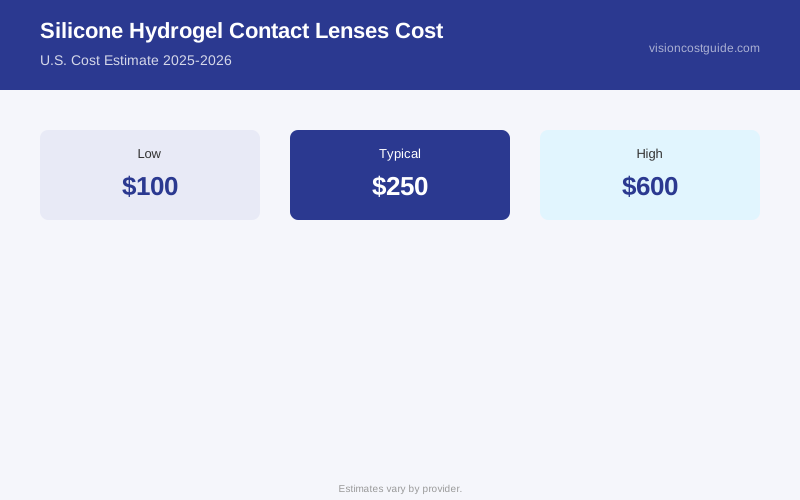
Silicone hydrogel contact lenses cost $240–$1,920 per year depending on format and brand — roughly 50–100% more than comparable traditional hydrogel lenses. The oxygen advantage is clinically real and matters most for patients with high daily wear hours, signs of corneal neovascularization, or habitual overnight wear. Whether the upgrade resolves dryness depends on the cause of your dryness — if it’s MGD or aqueous deficiency, material alone won’t fix it. Shop annual supplies with manufacturer rebates and retailer price comparison to minimize out-of-pocket costs on whatever lens your optometrist fits you with.