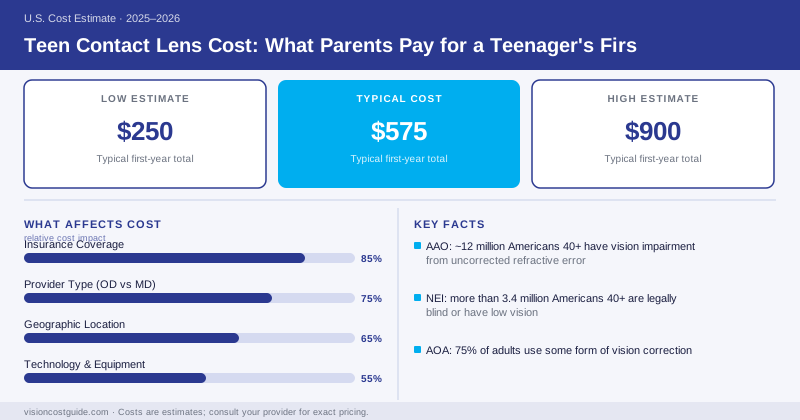
Your teenager wants contacts instead of glasses, and the first question is always the same: what’s this going to cost? Budget $250 to $900 for the first year, fitting fee included. After that, the recurring lens cost settles into a more predictable range.
Contacts are a rite of passage for a lot of teens, freedom for sports, no fogged-up lenses, and frankly, how they want to look. The price depends mostly on which lens type you choose and whether insurance kicks in an allowance.
First-Year Cost Breakdown
| Item | Cost |
|---|---|
| Contact-lens fitting (year 1) | $50–$200 |
| Daily disposables (annual supply) | $400–$700 |
| Two-week or monthly lenses (annual supply) | $200–$400 |
| Lens care solutions (reusable lenses) | $100–$200/year |
| Typical first-year total | $250–$900 |
The fitting fee is a one-time cost on top of a regular eye exam, because contacts require extra measurements: corneal curvature, lens fit, and a trial period to confirm comfort. After year one, you’re mostly paying for the lens supply and any solutions.
A teen’s first year in contacts runs $250–$900, including a $50–$200 fitting fee. Daily disposables cost the most but need no cleaning; monthly lenses cost the least but require care solutions. Match the lens type to your teen’s responsibility level.
Daily vs. Monthly: The Real Trade-Off
This is the choice that drives the price.
Daily disposables: fresh pair every day, tossed at night. No cleaning, lowest infection risk, ideal for forgetful teens or part-time wear. They cost the most, $400 to $700 a year, but you skip solution costs entirely.
Monthly or two-week reusables: cheaper lenses, $200 to $400 a year, but they demand nightly cleaning and proper storage. Skip the routine and infection risk climbs fast. Better for disciplined teens who wear lenses daily.
For a first-time teen wearer, many optometrists lean toward dailies. The simplicity reduces the most common cause of contact problems: poor hygiene.
The Responsibility Question
Age isn’t the real gatekeeper, maturity is. The CDC reports that contact-lens wearers, including teens, frequently engage in risky habits like sleeping in lenses or topping off old solution, which drive eye infections. A 2015 CDC study found roughly 1 million eye-care visits a year for keratitis, much of it tied to poor lens hygiene.
So before you commit, ask: does your teen brush their teeth without reminders, keep track of their stuff, and follow instructions? If yes, they’re probably ready. If lenses will get slept in and rinsed with tap water, glasses or daily disposables are safer.
How to Keep Costs Down
- Use your vision plan’s contact allowance, often $100 to $200 a year (see our vision insurance cost guide)
- Buy an annual supply at once to unlock manufacturer rebates of $50 to $200
- Choose monthly lenses for disciplined teens who wear them daily
- Choose daily disposables for part-time or sports-only wear to skip solution costs
- Pay with FSA or HSA dollars
Compare against staying in glasses, too. Our glasses for kids guide shows that a durable pair can be cheaper over time if your teen only needs occasional correction.
Never let a teen sleep in lenses not approved for overnight wear, reuse daily disposables, or rinse lenses with tap water. These are the top causes of serious eye infections in young wearers. One avoidable infection can cost more in medical bills, and risk, than years of proper lens supply.
Is It Worth It?
For an active teen who plays sports, hates glasses sliding down their nose, or just wants the freedom, contacts are usually worth the modest premium over glasses. The recurring cost, $200 to $700 a year depending on lens type, is manageable, especially with an insurance allowance and rebates.
Start with an eye exam and a separate contact-lens fitting so the optometrist can confirm a healthy, comfortable fit. If your teen also has progressing nearsightedness, ask about myopia-control contact options, which slow the prescription while correcting vision, covered in our myopia control cost guide.
The bottom line: contacts for a teen are affordable and freeing, as long as your kid handles them responsibly. Get the fitting, pick the right lens type for their habits, and the price stays reasonable year after year.
Frequently Asked Questions
Expect $200 to $700 a year for the lenses plus a one-time fitting fee of $50 to $200 the first year. Daily disposables cost the most; monthly reusable lenses cost the least.
There's no strict minimum, but most eye doctors fit teens around age 13 to 16 once they show the responsibility to clean and handle lenses safely. Some kids start younger for sports or myopia control.
Many vision plans offer a contact-lens allowance of $100 to $200 per year, which offsets the supply cost. The fitting fee may be partly covered too. FSA and HSA funds cover the rest.