You signed up for vision insurance, booked an eye appointment, and then got hit with a full-price bill anyway. What happened? Probably a waiting period — a quiet clause that delays part of your coverage. The good news: most plans don’t have one, and the ones that do are easy to plan around. Here’s exactly how it works.
What a Waiting Period Actually Is
A waiting period is a set stretch of time after your plan starts before certain benefits become usable. It exists to stop people from buying coverage, immediately cashing in on expensive glasses, then canceling — a pattern that would wreck the vision insurance math for everyone.
Here’s the key nuance most people miss: waiting periods usually apply to materials (frames, lenses, contacts), not to the exam. So you can often get your covered eye exam right away while the eyewear benefit unlocks later.
Who Has Waiting Periods — and Who Doesn’t
| Plan Source | Typical Waiting Period |
|---|---|
| Employer-sponsored (VSP, EyeMed, etc.) | None — effective on coverage start date |
| Major carrier individual plans | None to 30 days (varies) |
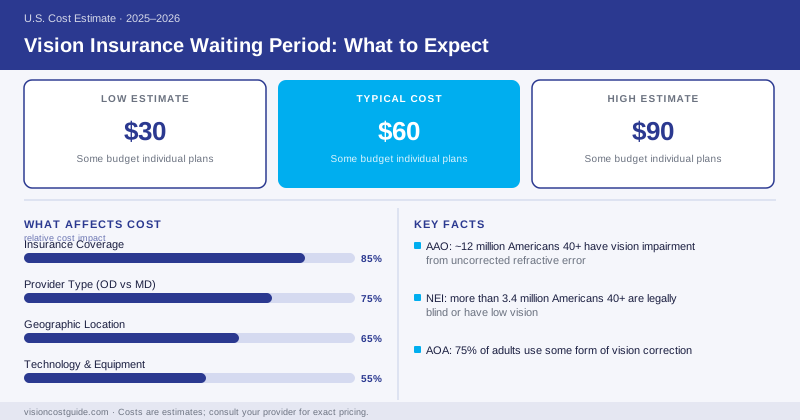
| Some budget individual plans | 30–90 days for materials |
| Vision discount plans | None — usable immediately |
The encouraging reality: the most common forms of vision coverage have no waiting period at all. KFF’s 2024 Employer Health Benefits Survey found that the large majority of big employers offer vision benefits, and those employer plans almost always activate on your effective date with no delay.
Waiting periods show up most often on lower-cost individual-market plans, where the materials benefit may be locked for 30–90 days to discourage one-and-done sign-ups.
It helps to understand why insurers do this at all. Vision care is unusually predictable — unlike a car crash or a hospital stay, you generally know in advance that you’ll need glasses. That predictability creates a temptation called adverse selection: people sign up only when they’re about to make a big purchase, cash in the frame allowance, then cancel. If everyone did that, premiums would have to skyrocket to cover the payouts. A short materials waiting period is the insurer’s cheap defense against that pattern, which is why it tends to apply to frames and lenses but rarely to the exam. Knowing the logic makes it easier to plan around — enroll a few months before you expect to need new eyewear and the wait becomes a non-issue.
Before you buy any individual vision plan, read the materials-benefit waiting period in the Summary of Benefits — not just the headline premium. A plan that’s $3/month cheaper but makes you wait 90 days for the frame allowance can cost you far more if you need new glasses now. If you need eyewear immediately, prioritize a no-wait plan even at a slightly higher premium.
How to Avoid Paying Full Price by Mistake
A few simple moves keep a waiting period from biting you:
- Time your enrollment. If you know you’ll need glasses, enroll during open season so the materials benefit is active before you shop.
- Use the exam benefit first. Even when materials are delayed, the covered exam is often available immediately — get it done while you wait.
- Pick a no-wait plan. Major carriers and employer plans rarely impose waits. If immediate eyewear coverage matters, choose accordingly.
- Consider a discount plan as a bridge. Vision discount plans almost never have a waiting period, so they can cover an urgent purchase while a new insurance plan’s wait runs out.
Waiting Periods vs. Benefit Frequency
Don’t confuse a one-time waiting period with the benefit frequency every plan has. Even with no waiting period, plans only let you use the exam benefit once every 12 months and the frame benefit every 12–24 months. So if you used your frame allowance recently, you may need to wait for the next benefit cycle — that’s a frequency limit, not a waiting period.
Don’t cancel and re-enroll in a new plan just to get a fresh frame allowance — you may trigger a brand-new waiting period and end up worse off. And remember, no vision plan covers LASIK beyond a discount regardless of waiting periods. For surgery, plan around financing like CareCredit instead of expecting your plan to pay once a wait ends.
Bottom Line
For most people on employer or major-carrier coverage, waiting periods are a non-issue — your benefits work from day one. The risk lives in budget individual plans with a 30–90 day materials delay. Read the fine print, time your enrollment, and you’ll never get blindsided by a full-price bill. If you’re still weighing whether to enroll at all, our vision insurance cost breakdown will help you run the numbers.
Frequently Asked Questions
Most employer and major carrier vision plans have no waiting period for exams. Some individual-market plans impose a 30–90 day wait before frame, lens, or contact benefits kick in.
When a waiting period applies, it's usually 30 to 90 days. Materials benefits (frames and lenses) are more likely to have a wait than the eye exam benefit.
Yes. Most employer-sponsored plans and many major carriers like VSP and EyeMed offer immediate coverage. Vision discount plans almost always activate with no waiting period.